Heritage museums play a crucial role in keeping the stories, the traditions, the achievements, and also those cultural identities that really help define whole civilisations. Still, nowadays, visitors they do not want to just stroll past static showcases and quietly read the info panels, not really. People now seem to crave engagement, kind of immersion, and those standout experiences that create a real emotional tie to history. Because of that, we have this rise of the interactive heritage museum, where technology and storytelling work together, and in a way, they make the past feel present.
The way digital technologies are being integrated has shifted the old-style museum into more of an experiential destination, you know. Interactive museums now rely on advanced visualisation methods, immersive projection mapping, augmented reality, AR, virtual reality and VR, touchscreen apps and multimedia setups to craft those really gripping paths through history. But turning it into an interactive heritage museum isn’t just a matter of adding gadgets. It takes careful planning, imaginative narrative design that flows, and a strategic use of technology so that cultural authenticity stays right in the centre of every visitor experience.
The first step in making an interactive heritage museum is to define a clean narrative. Every heritage site, historical event, cultural movement, or notable personality has some kind of story that is worth sharing. Instead of putting out disconnected collections and random information, museums should try to build a single cohesive storyline, so visitors get guided through something like a meaningful path. When the narrative is strong, it turns historical facts into experiences that feel more alive, and it also helps people grasp why the heritage being shown actually matters.
Research plus content work is basically the bedrock of any museum project that really sticks. Historians, archaeologists, cultural specialists, and curators have to team up to collect solid information, clear images, documents, oral testimonies and historical objects, all of that matters. Afterward it should be arranged into thematic zones that gently carry the big narrative through. Digital museums tend to do well here, since they blend authentic historical study with fresh presentation approaches and somehow, even the complicated stories become easier to grasp and remember.
After the content framework is set up, designers can start planning the visitor journey. Interactive museums are built around experience, not really around a display, so it feels more like you are in it. Visitors should be able to take part actively in the learning process instead of just sitting back and taking in facts. The overall museum layout has to push people to wander around, uncover things, and interact with what’s there. Each area ought to carry a reason for being, be it giving historical background, shining a light on key moments, or creating immersive sessions that deepen understanding in a more hands-on way.
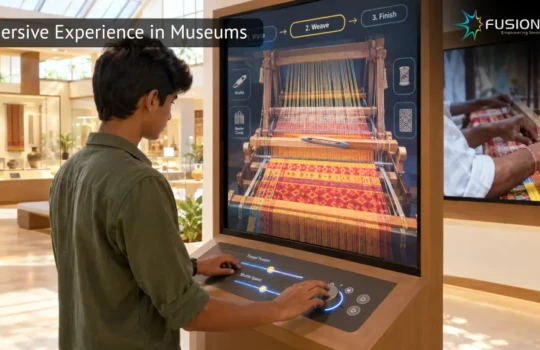
Technology selection really kind of sets the tone in museum experiences. The best interactive heritage places tend to use tech not like a gimmick, but rather as a narrative tool. For example, interactive touchscreens can offer visitors detailed background, directions, timelines, and multimedia pieces. People move through the displays at their own pace, zoom in on uncommon documents, or discover cultural traditions using these interactive interfaces. In a way, it’s more about atmosphere and context than just showing content, and that difference can be pretty noticeable.
Augmented reality has slowly turned into one of the most powerful techs in museums, like it keeps pulling people closer. With AR applications, visitors can aim their smartphones or tablets at certain objects and get extra layers of info right away, not after waiting too long or reading everything. Also, historical structures can be rebuilt digitally so people can almost imagine the ancient buildings as they looked centuries ago. And if an historical object is damaged, it can be “repaired” virtually too, which helps visitors understand what it originally looked like and why it mattered.
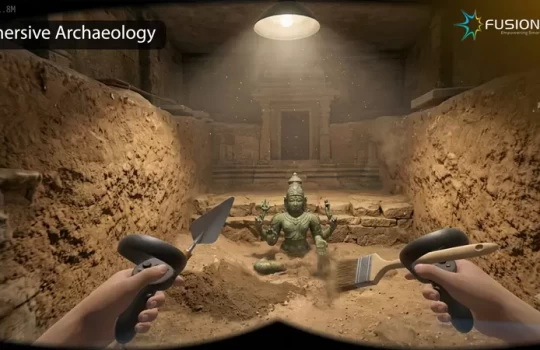
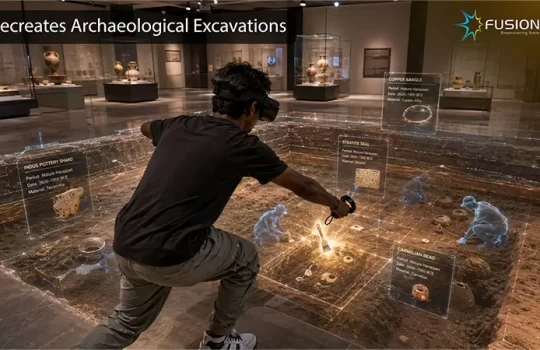
Virtual reality kind of takes immersion even further by moving visitors right into historical settings, like not just seeing it but being in it. A VR museum experience can sort of drop people inside an ancient kingdom, a real historic battlefield, a traditional village, or even a major cultural celebration. Instead of reading about history, visitors actually meet it first-hand. That kind of emotional bond boosts engagement and helps knowledge stick longer, so VR is becoming a more and more popular add-on in heritage museums worldwide.
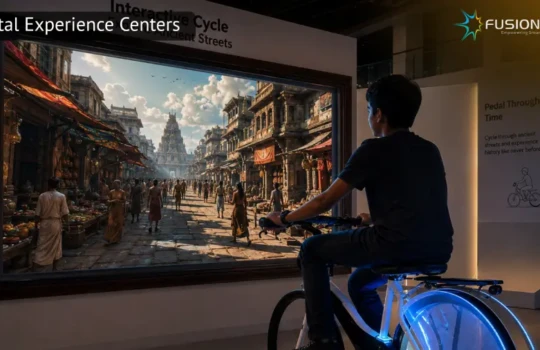
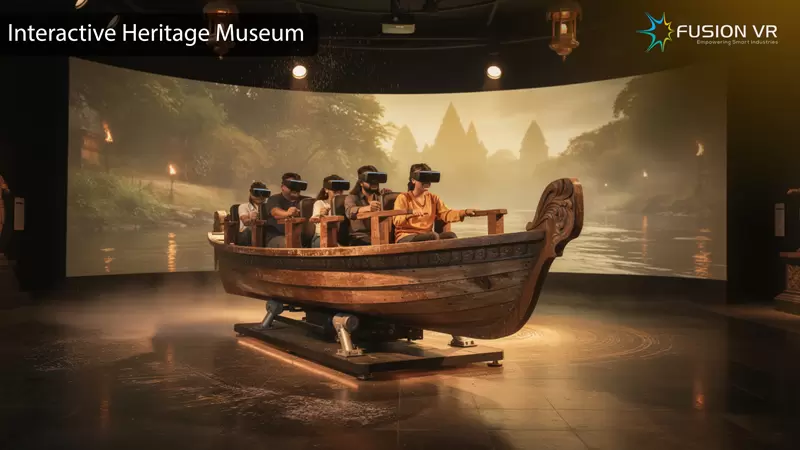
Projection mapping is another kind of transformative technology in museums; you know it can feel a little like magic without being, well, fully explained. Big immersive projections can convert walls, floors, and ceilings into lively narrative stages. Historical moments then play out around the visitors, thanks to synced visuals, sound effects and those simple animations that keep moving. Experiences that lean on projection are especially good for showing historical transformations, changes in architecture, and cultural celebrations in a way that feels near and vivid. They also build a real sense of wonder, so that people of all ages get pulled in pretty quickly.
Interactive exhibits should be set up so they fit a bunch of visitor groups, kind of in a fluid way. School students, families, researchers, tourists, and senior citizens all come with different expectations and learning rhythms, and that matters. Museums should then offer multiple layers of participation, from the straightforward touch-based moments to more advanced learning material that’s deeper. Also, accessibility has to stay front and centre, not as an afterthought. That way, visitors with different abilities can actually take part in the whole museum experience, without feeling sidelined.
Storytelling remains the most vital piece, no matter what tech gets used. In museums, the technology, it should really back up the narrative, not kind of steal the spotlight or make everything louder than the message. Each digital setup, immersive projection, or interactive app has to add to the larger story, like a supportive thread. People tend to remember the emotional ups and downs and the truly compelling scenes far more than they remember the technical features by themselves. Sometimes the gadget is neat, but it doesn’t stick the same way.
One of the more effective strategies for building engagement is mixing in multisensory experiences, even if it feels a bit messy at first. Traditional museums usually lean on mostly visual displays, but interactive museums can pull more than one sense at the same time. So you get soundscapes, environmental effects, touch-based or hands-on elements,and immersive visuals, all kind of working as a single blend, and that’s what makes it memorable. For instance, when visitors roam through a historical maritime exhibit, they might hear ocean waves, feel a kind of simulated sea breeze, and also watch immersive projections about historic voyages. Those sensory pieces help history feel more real, in powerful ways, like it’s right there with you.
Gamification can also spice up visitor participation a bit, as it makes people more likely to jump in and try things. Interactive quizzes, treasure hunts, a system of badges or achievements, and learning challenges do encourage exploration and understanding. In that way, visitors start acting as active participants, not just passive observers. For younger audiences, educational games can help them engage with historical themes in a more natural way while still keeping academic worth and cultural authenticity intact.
Digital archives are getting, like, increasingly important pieces inside modern heritage museums. Interactive databases let visitors reach large collections of photographs, manuscripts, maps, and other historical papers. People, both researchers and enthusiasts, can browse details way past what is physically shown in exhibits. Digital preservation is also a kind of safety net for fragile heritage objects, while at the same time making them easier to reach for the public.
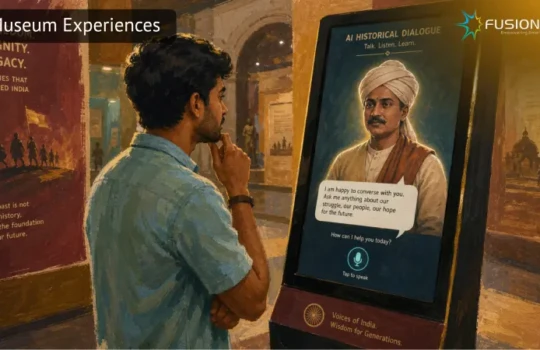
The use of artificial intelligence is opening up new possibilities for museum engagement. With an AI-driven virtual guide, people can ask visitor questions and get clear answers, and they can get personal routes recommended, depending on what they seem to like. In a similar way, interactive avatar figures, well, like historical people, can talk with visitors, and they will share perspectives that feel fresh for different periods. Altogether, these kinds of innovations make museum visits more tailored and oddly unforgettable, even when you just walk in for a short while.
In an interactive heritage museum design, cultural authenticity kind of has to stay at the top, no real detours. Technology should support historical accuracy, not bend it into something else. Any digital reconstruction animation, or immersive kind of scene, should come from credible research plus expert consultation; it feels off. Visitors actually rely on museums as dependable references for information, so authenticity is essential- it keeps the credibility intact and also protects the learning value.
Sustainability should also be considered during planning. Museums tend to run for decades, so they need technologies that are reliable, scalable, and not overly hard to maintain. Modular systems help you handle future upgrades without having to redo everything from scratch; that is, no full redesigns. Meanwhile, cloud-based content management systems make it easier for a museum to revise exhibits, include new details, and even tune the overall visitor experience as time goes on. This kind of flexibility helps museums stay relevant when technologies shift and visitor expectations evolve.
Community engagement is just as critical for making a heritage museum really work. Local communities often carry valuable know how, traditions, and personal stories that, they sort of, help fill in the museum content in a better way. When museum staff involve people from the area in developing exhibits and interpretive materials, it builds authenticity, and it makes those cultural ties feel stronger, too. Oral histories, individual narratives, and community contributions can offer perspectives that standard historical records might miss.
Educational programming further enhances this whole value around interactive museums, but also, it makes people stay longer and engage in a way that feels more personal. Workshops and guided tours, plus digital learning modules, and school outreach programs, kind of push the museum experience beyond just the physical exhibits. Over time, museums can turn into centres for lifelong learning, encouraging deeper exploration of history, culture, and heritage in general. Interactive educational experiences are especially effective when it comes to inspiring younger generations to appreciate and preserve cultural heritage, not only to look at it once.
Visitor feedback should keep showing up in museum development, like not just once and done. Interactive technologies, meanwhile, can provide useful data about how people actually move around, what they engage with, and which parts of the content they seem to prefer. With analytics, you can figure out what exhibits pull in the most attention, where visitors spend the most time, and even which kinds of experiences generate the strongest engagement levels. In the end, this sort of input helps museum operators make ongoing adjustments to the visitor experience, rather than waiting too long and hoping for the best.
Marketing an interactive heritage museum kind of sounds simple, but it really is about selling moments, not just what sits behind glass. These days, people walk in wanting an experience that feels alive, like immersive surroundings, unusual attractions, and those shareable little scenes they can post later. A digital museum usually gains a lot from social media, because visitors seem to like to share what they feel, those interactive bits, immersive visuals, and even the memorable encounters that happen while they are inside. So good marketing should steer the focus toward how the museum lets visitors live through history, instead of only watching it from a distance.
The future of heritage museums is likely tied to keeping integrating new technologies with real, grounded storytelling. As AR, VR, mixed reality, artificial intelligence, holographic displays, and immersive spaces keep advancing, they will make visitors feel more pulled in, in a sort of vivid way. That said, the core mission still stays the same, even if the tools change. They are still expected to preserve cultural heritage and also make it approachable, purposeful, and motivating for generations ahead.
Making an interactive heritage museum isn’t just about dropping technology in place or whatever. It’s more about how you craft those everyday kinds of experiences that link people to history in ways that feel strong, and yeah, memorable. When you blend good narrative craft, solid historical research, immersive technologies, and design that puts the visitor first, the whole thing can shift cultural preservation into something like a hands-on journey of discovery. And since what visitors expect keeps changing over time, interactive heritage museums will probably end up mattering even more, so that history stays living, relevant, and actually accessible in this digital era.