Memorial museums serve as remembrance sites that function as powerful spaces which combine history and emotion and technological elements to create enduring heritage for future generations. Cultural institutions worldwide now use Virtual Reality (VR) Augmented Reality (AR), Mixed Reality (MR), projection mapping, interactive storytelling systems and multisensory installations to create new ways for visitors to experience connections with historical figures and national leaders and cultural icons. The digital innovations enable memorial museums to transform from conventional exhibits which display static content and operate through traditional archives into interactive experiences that enable visitors to experience and engage with history through their individual perspective.
The act of maintaining heritage requires more than historical objects display because heritage preservation needs to sustain historical memories through methods that connect with contemporary viewers. Today’s visitors seek interactive experiences that allow them to participate instead of watching displays. Memorial museums use immersive technology to present their complex stories through visual displays, interactive exhibits, and sensory experiences that create deep emotional ties with their audience. Through immersive digital storytelling, memorial museums ensure that the legacy of influential personalities, freedom fighters, leaders, and visionaries continues to inspire generations.
Memorial museums selected photographs, sculptures, documents, and written narratives as their main storytelling elements throughout their history. The existing elements still hold value, but technology enables institutions to develop better storytelling methods through interactive visualisation. Immersive technologies allow visitors to experience historical events through cinematic projections, 3D environments, holographic narratives, and 3D audio. The technologies enhance visitor interaction while enhancing knowledge retention, which helps visitors comprehend historical events better.
Virtual Reality stands as the most effective technological solution that memorial museums use to create their displays. The advanced system makes all historical content accessible to visitors who want to experience complete historical environments. Through their virtual reality museum experiences, visitors can watch important speeches while they study historical sites and witness events that altered the course of history. The method changes traditional learning methods by delivering hands-on learning experiences which help visitors to better understand contextual details and emotional responses and their results. Virtual reality enables memorial museums to create digital reproductions of vanished historical sites, which maintain their authentic cultural and historical attributes.
Modern memorial museums utilise augmented reality technology for their operational activities. AR technology enables visitors to experience historical events through digital content that projects onto actual physical locations. A visitor at a statue can use either a mobile device or an AR display to experience animated storytelling about the statues represented person’s accomplishments. The AR museum applications enable users to access archival footage while listening to voice narrations and studying interactive 3D objects and timelines which enhance the storytelling experience. The combination of real and digital elements creates a more engaging experience for visitors who want to explore the subject matter.
Mixed Reality installations need to combine actual physical spaces with virtual digital elements to create new opportunities for development. Through MR visitors can touch and interact with holographic displays which show both historical figures and their corresponding historical objects. The interactive holographic system enables users to experience speeches and interviews and storytelling content which shows the background of the person being honored. The technology system provides visitors with a more personal experience because they can connect with displays in ways that exceed standard exhibit methods.
Memorial museums use projection mapping technology as an effective tool which helps them create their displays. The projection systems project onto buildings, which create interactive visual displays that show their architectural features. The technology of projection mapping enables museums to recreate historical events through life story presentations, which display changes that occurred over different time periods. Museums employ projection mapping to develop immersive storytelling spaces where their architectural elements, including walls, sculptures and buildings, display animated stories. The combination of synchronised visuals and sound design helps visitors connect emotionally with historical events.
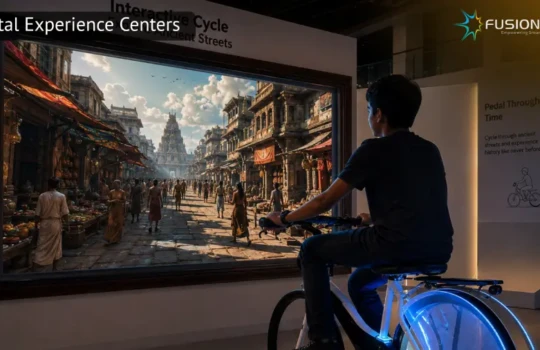
The use of multisensory technologies allows memorial museums to create more immersive experiences for their visitors. The combination of audio environments with lighting effects and motion simulation and wind effects and scent diffusion and touch-based feedback creates historical atmosphere recreations that allow users to experience past times. A memorial museum can create a historic location or event atmosphere through its use of ambient sound, lighting transitions and environmental effects. The multiple sensory elements increase emotional connection with the audience while creating experiences that make a strong impact on visitors.
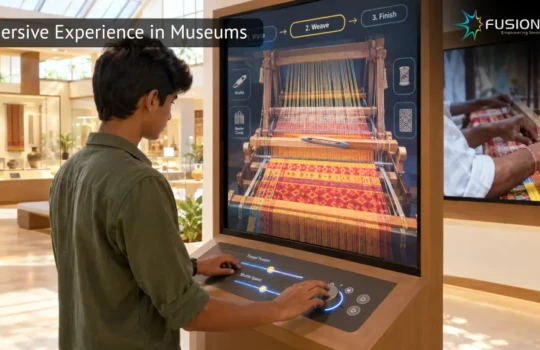
Interactive touch installations and digital walls serve as essential components for contemporary memorial museums. The touch-enabled kiosks provide users with access to archival materials and biographical information and timelines and multimedia content. Digital walls provide visitors with the ability to navigate interactive maps and thematic displays and historical timeline content at their own speed. Interactive technologies create opportunities for people to satisfy their curiosity while they build their own unique educational paths, which can be customised to suit different learning styles.
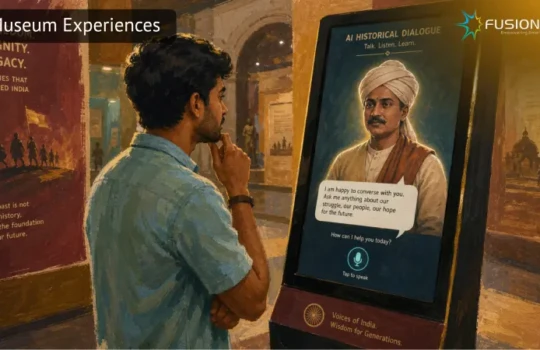
Artificial Intelligence is increasingly being integrated into memorial museums to create conversational and adaptive experiences. The digital guides, which use AI technology, enable visitors to ask questions and receive answers while the system delivers contextual details and customises recommendations according to their specific interests. Holographic assistants and digital characters created through AI technology serve as interactive tools which attract younger audiences to comprehend complex storytelling. AI technology enables museums to present interactive storytelling experiences that transform according to how visitors choose to interact with exhibits.
The production of emotionally authentic content relies on immersive storytelling methods as its fundamental component. Memorial museums design their experiences to create significant moments that assist visitors in understanding past accomplishments and difficulties. The combination of cinematic storytelling methods with immersive sound design and narrative scripting allows museums to present their stories, which create deep connections with their audiences. The use of emotional storytelling techniques establishes a bond between visitors and historical figures which enables their legacies to endure in present-day society.
Heritage preservation now uses digital twin technology as its emerging method of preservation. The memorial museums use 3D scanning and photogrammetry to create digital permanent records of their historical objects and, monuments and historically important sites. Digital twins enable organizations to build permanent virtual models which they can maintain for unlimited time. The digital models serve multiple purposes including research and educational use and restoration planning and worldwide access. Virtual museum tours enable audiences from around the world to explore memorial sites remotely, expanding the reach of cultural heritage preservation.
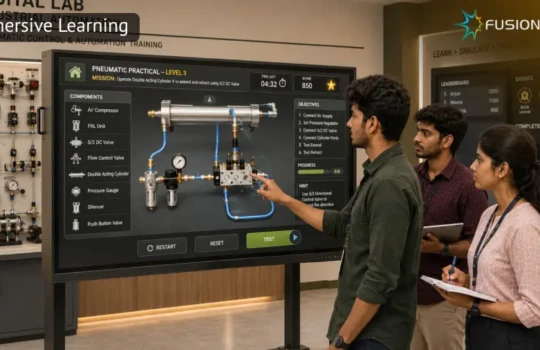
Educational programs benefit from immersive technology. Memorial museums work together with educational institutions and research organizations to create educational programs that use immersive learning technologies. Students can better understand history through VR simulations and AR applications and interactive storytelling modules. Students who participate in educational immersive experiences develop their ability to think critically and build empathy while learning about historical events. Museums have transformed into educational spaces that use technology to help visitors learn and participate in activities.
Memorial museums dedicated to national leaders use immersive theatre formats to showcase biographical stories about their lives. The presentation of life stories uses projection systems and 3D audio together with synchronized lighting and cinematic storytelling techniques to create an engaging experience. The immersive theatre environments allow visitors to experience important historical events and social contributions while the presentation of history unfolds as a continuous story instead of showing them isolated facts.
Memorial museums can attract younger visitors through their use of immersive technology. Digital-native generations expect interactive experiences that match the engagement levels of modern media platforms. Museums that use immersive technology create experiences which attract younger audiences while preserving historical accuracy. Interactive storytelling bridges generational gaps and ensures that historical narratives remain relevant.
The use of technology allows museums to perform content updates through more efficient methods. Institutions can use digital systems to change their stories and update their information while adding new multimedia elements and enhancing their narrative presentation without needing to modify their physical spaces. Memorial museums maintain the ability to adjust their operations because they can incorporate new research findings and historical evidence and emerging methods of storytelling.
The technology creates real-world experiences which enable users with disabilities to participate in digital content because they provide multiple ways to access content through their various audiovisual components. The features of memorial museums allow them to communicate with audiences who have different abilities and language needs. The inclusive design approach makes it possible for all people to access cultural heritage sites.
Data analytics helps museums study how visitors interact with their exhibits. By analyzing interaction behavior, museums can improve exhibit design and storytelling effectiveness. Institutions use data insights to develop better narratives which create stronger connections with their audiences. The iterative method maintains ongoing progress towards better outcomes for visitors.
Memorial museums use immersive technologies to improve their conservation and restoration activities. 3D documentation helps experts analyze structural conditions and plan restoration work accurately. Digital archives protect valuable information from physical deterioration. Technology ensures that historical knowledge is preserved even if physical historical objects are damaged or lost.
Institutions dedicated to cultural heritage preservation are adopting immersive digital methods to develop experiences which both honour their pasts and incorporate contemporary advancements. Memorial museums use immersive technologies to preserve collective memory, which their patrons can experience through dynamic and contemporary presentations.
The evolving nature of immersive technologies will lead memorial museums to adopt AI-based storytelling systems and volumetric video technology and real-time rendering environments and 3D computing systems. The new technologies will enable visitors to experience historical events through methods that have not been developed before. The combination of storytelling and technological elements together with heritage preservation methods creates special experiences which lead to deep reflection and understanding.
The immersive memorial museums provide visitors with authentic experiences of historical legacies that extend beyond conventional educational materials and permanent exhibitions. The memorial museums achieve historical preservation through their innovative solutions which combine artistic expression with cutting-edge technological advancements. The implementation of immersive technology enables society to maintain its connection with historic narratives of leaders and reformers and artists and visionaries who continue to shape cultural heritage.
Memorial museums will develop new memorial experiences through their use of experiential storytelling, which allows visitors to experience historical events. The use of immersive technology enables institutions to protect their historical heritage through interactive experiences, which help their cultural stories maintain their significance across future generations.