Experiential learning has evolved into the primary method of teaching technical subjects because it serves as the main educational method. Theoretical knowledge has become more disconnected from practical application because industries undergo rapid technological changes which automation and artificial intelligence and immersive technologies drive forward. Traditional classroom models that emphasize passive learning have become inadequate for developing students who need to work in today’s ever-changing business environment. The educational system of technical training undergoes transformation through experiential learning which improves its delivery methods and student learning and practical usage.
Experiential learning provides a method which allows people to learn effectively through practical experience. Students learn practical skills better through hands-on experiences which include real-world situations and simulation activities and actual problem-solving work. The hands-on method provides two benefits because it enhances learning and develops crucial abilities which engineers and information technology professionals and robotics experts and industrial designers need to succeed in their careers.
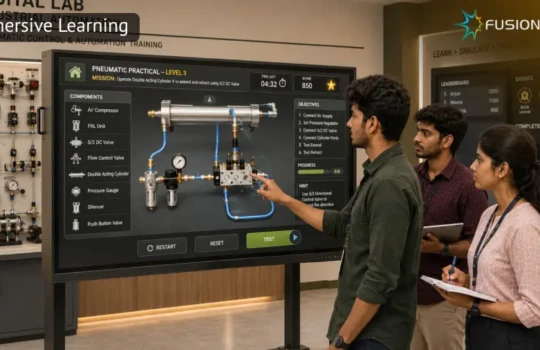
The primary benefit of experiential learning in technical education rests in its capacity to connect theoretical knowledge with actual work experience. Students often struggle to connect abstract concepts with their real-world applications. The process of learning machine mechanics through diagrams presents a different experience than assembling or troubleshooting machines in a workshop. Practical environments such as labs or live projects or simulation platforms enable students to learn concepts better. The process of active engagement leads to better retention rates while deeper mental processing takes place.
Technical professions require problem-solving abilities, which experiential learning programs develop in their participants. Real-world challenges require both analytical thinking skills and creative problem-solving abilities and teamwork abilities to be solved successfully. Project-based learning and internships and simulations provide students with authentic experiences that require them to evaluate information and develop solutions through testing and continuous improvement. The process which students follow to complete their assignments replicates actual industry workflows which help them acquire skills needed in professional work settings.
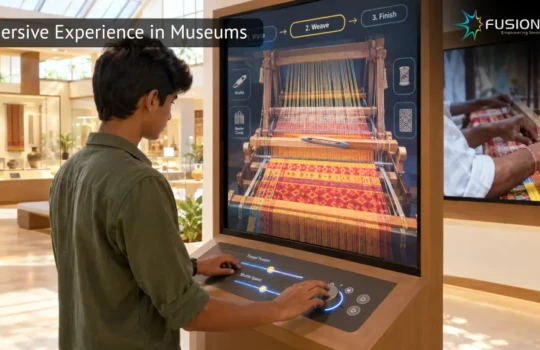
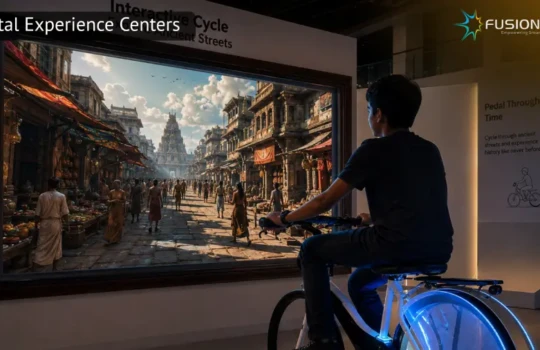
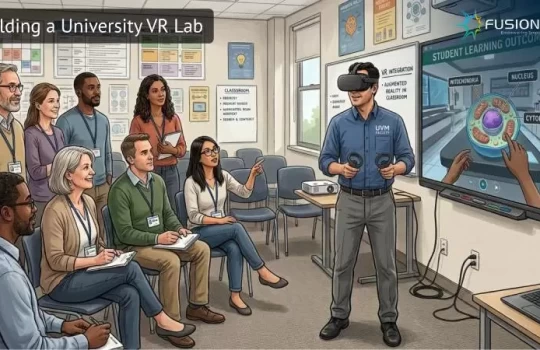
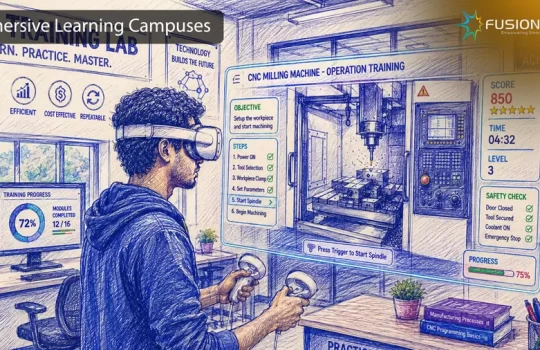
There has been an enhancement of experiential learning through the use of technologies, including augmented reality and virtual reality, in the last few years. Such technologies have allowed students to merely engage themselves in virtual environments where what goes on can resemble real life. In doing so, students are in positions where they are virtually involved in situations that would otherwise be difficult, costly, or inconceivable in real life. For example, engineering students can delve into the internal materials of machines in a very real virtual surrounding; students in medical schools can practice surgical procedures with no real consequences; and in the same vein, architecture students can walk through digital models of their creations while feeling the dimensions. Increased understanding and enthusiasm now accompany more learning.
Another important component of experiential learning functions to develop both soft skills and technical skills. The contemporary job market places rising importance on employees who demonstrate skills in communication, teamwork, and leadership, along with their ability to adapt. Students in experiential learning environments work together to finish their projects because these environments create conditions that support team-based work. The collaborative method enables them to build their relationship skills, conflict resolution abilities, and understanding of different viewpoints, which serve as essential competencies for success in technical fields that require collaboration with experts from various disciplines.
Experiential learning creates pathways for students to develop their self-directed learning abilities and their responsibility to learn. Students who take part in their educational experiences assume control over their academic development. The program encourages students to investigate different subjects through their experiments while they acquire knowledge from their mistakes. Students develop confidence through this mindset which establishes them as lifelong learners essential for their success in fields with fast technological development. Students develop research skills which enable them to find information and assess resources while using knowledge without needing their instructors.
Experiential learning in technical education provides its main advantage through its ability to connect educational institutions with business partnerships. The current trend shows that educational institutions partner with businesses to create real-world learning opportunities which students experience through internships and live projects and industry-sponsored laboratories. The partnerships between educational institutions and businesses maintain curriculum relevance because they develop programs that match current industry requirements. Students acquire knowledge about workplace operations and business practices and developing technologies which help them secure jobs. Employers receive a workforce that understands how to use practical skills and needs little instruction to begin working.
The process of experiential learning establishes a foundation that enables people to create new solutions through their innovative work. Technical education goes beyond teaching students how to operate current systems because it requires them to build better systems through their study of fresh technological advancements. The creative process becomes more effective when students receive unrestricted access to investigate various concepts because it allows them to develop original solutions. Hackathons, design challenges, and prototype development projects serve as exceptional examples of experiential learning activities which encourage innovative thinking
The evaluation techniques used in experiential learning environments exhibit fundamental differences when compared to conventional evaluation methods. The assessment process requires students to demonstrate their capabilities through project work and presentations and hands-on activities instead of using written tests as the only measurement method. The complete evaluation process delivers a better assessment of their abilities and professional expertise. The system decreases the stress linked to memorizing facts and promotes students to comprehend the subject matter at a deeper level.
The implementation of experiential learning in technical education faces multiple obstacles despite its various benefits. The program requires educational institutions to spend substantial resources on building their essential facilities, acquiring necessary technological equipment and developing AR VR training programs for their teaching staff. Educational institutions need to establish dedicated spaces that enable students to practice their skills through advanced laboratory facilities and simulation centres, and collaborative work areas. Educators need to change their teaching approach by replacing conventional teaching methods with their new role as mentors and facilitators of learning. The process of transitioning to new methods requires hard work, yet it remains vital for successful experiential learning implementation.
Another challenge is ensuring accessibility and scalability. Some institutions lack the necessary resources to adopt advanced experiential learning technologies. However, the growing availability of digital tools and platforms now enables organisations to create scalable experiential learning programs. Online simulations, virtual labs and remote collaboration tools enable students to participate in practical learning activities from any location.
The future of technical education depends on experiential learning which has become essential for its development. The need for skilled workers who can implement their knowledge in practical situations will keep growing as industries develop. Educational institutions must adapt to this shift by integrating experiential learning into their core curriculum. This includes using new technological systems and building partnerships with businesses and developing educational spaces which support students in their learning and creative development.
The use of experiential learning in technical education creates a revolution by making the educational process more relevant and interesting and effective for students. The program enables students to develop necessary skills while they learn to apply theoretical knowledge in real-world situations which will help them succeed in their future jobs. The advantages of the system exceed its current limitations although some challenges continue to exist. Educational institutions that adopt experiential learning will provide their students with essential skills for success in a world which becomes more complicated through technological advancements.