The following is an illustrative conversation written by Fusion VR to explain the topic.
Arun: Have you ever noticed how archaeology is shown as this really exciting thing in movies, but when we actually visit a museum it sometimes feels completely different? We wander up to ancient pottery behind glass, read a few info boards, admire old sculptures, and then we move on… like, quietly.
Meera: I totally get what you mean. The artifacts are priceless, but we rarely get to understand the journey behind them. We don’t see the digging part, the careful research, or that real thrill of uncovering history bit by bit. It’s almost like you read only the last page of a mystery novel, and then expect the whole plot to click.
Arun: That’s honestly such a good way to describe it, imagine if visitors could actually stand inside an archaeological excavation, not just look at the objects that were discovered, you know.
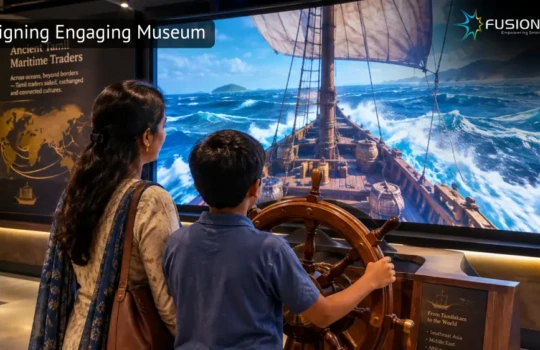
Meera: Exactly, that’s what Museum VR makes possible. Rather than being passive observers, people become explorers. They don’t just gaze at history, they walk through it, step by step, like its right there with them.
Arun: So you mean people can experience archaeology, like they’re part of the excavation team right?
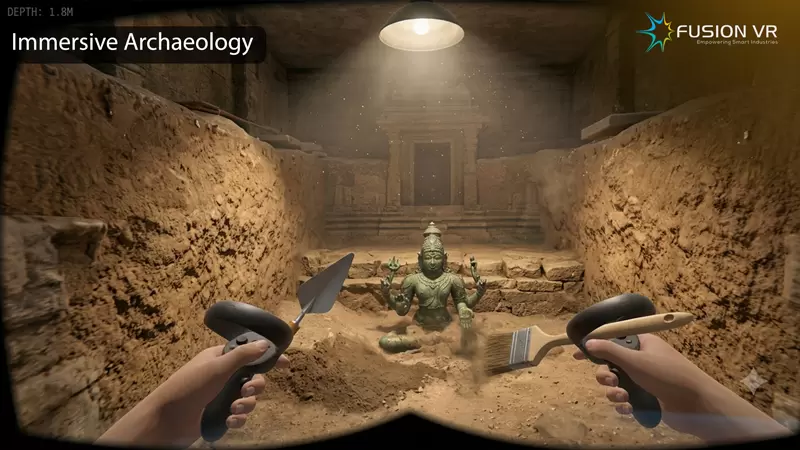
Meera: Yes, for real. Imagine walking into a virtual trench, where archaeologists are carefully brushing off centuries of soil. You can hear the surrounding environment, you can watch excavation tools getting used, and you see the slow unveiling of an ancient structure. Then archaeology just stops being a bunch of still things, and it turns into this live adventure, immersive and breathing.
Arun: Ya, that would definitely make museums feel way more engaging, especially for younger audiences who are basically used to interactive digital stuff.
Meera: Totally right. People these days, they grew up with technology in the background. They are used to wandering through virtual worlds, working with digital material, and learning by experience. Museum VR matches that expectation with real and proper historical storytelling.
Arun: You know I’ve always wondered, why archaeology matters so much. Like aren’t these just old objects, buried underground and that’s it?
Meera: Yeah it’s a common question. But archaeology isn’t only about spotting ancient objects or collecting them. Every artifact carries a little narrative about daily life, what people thought was important, how they bartered, what they actually ate, and even how whole societies shifted over time. A chipped clay pot, a single coin, or even a footprint that stayed trapped in hardened soil can, really, flip the way we understand the past.
Arun: When you explain it like that, suddenly it all seems, like every excavation is really just trying to crack a huge riddle.
Meera: Ya that is basically what archaeologists do day after day. Not like treasure hunters, they are seeking understanding not gold. Each stratum of soil is tied to a different season in history, and when they remove those layers gently, bit by bit, researchers can piece together what happened.
Arun: I guess it’s hard to get that message across inside a traditional museum, right?
Meera: Yeah, it really is. Museums keep artifacts safe and looking beautiful, but the actual excavation, the work of uncovering everything, is hard to mirror with just photographs and display panels. People walking through, they often miss the whole thrill that sits behind the discoveries, like it’s half there and half gone.
Arun: So this is where immersive technology really changes everything, yeah?
Meera: Exactly. Instead of talking through an excavation with plain text, the Museum VR setup lets visitors join in almost like it’s personal. Picture putting on a VR headset and then, like, you’re suddenly inside an archaeological site from thousands of years ago. You can look at old settlements before they turned into ruins. After that, it’s one of those smooth transitions where you see time rewrite the landscape and you also understand how archaeologists finally revealed it.
Arun: That feels like going through time for real.
Meera: In a lot of ways, it is. Virtual reality squeezes centuries into a few minutes, but still keeps the historical accuracy. People can wander between separate eras and kinda grasp how societies evolved across generations.
Arun: I guess this is also what explains why artifacts get found at different depths, not just randomly.
Meera: Right, soil just keeps piling up bit by bit, over hundreds or even thousands years. With Museum VR, you can see those strata forming in motion, so the archaeological ideas become a lot clearer than those dry diagrams from a textbook.
Arun: I recall going to a dig site a long while back. Like 90 percent of it felt like bare dirt, with a couple stones here and there maybe.
Meera: Yeah, and that’s exactly the snag. Archaeologists can see what those ruins were, because they study architecture, the storyline of history, and the way ancient cultures lived. Most visitors can’t really do that. With VR, the structures get rebuilt digitally, so people can line up what they see right now with what it probably looked like before.
Arun: So you might be standing inside this ruined temple one moment and then-like, instantly it’s back the way it was, centuries ago?
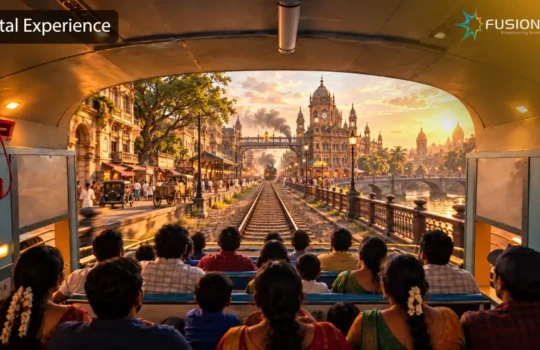
Meera: Exactly. You can go through old lanes, slip into homes, look around marketplaces, step into ritual areas, and even see daily life playing out around you, like nothing happened.
Arun: That would totally transform the museum experience, like for real you know.
Meera: Yes, it definitely does. Rather than asking the visitors to picture history, museums can now present it, in a more tangible way.
Arun: Another thing I’ve noticed is that a lot of archaeological sites are hard to get to. Like, some are out in remote areas, some are protected, and honestly some are just unsafe for tourists.
Meera: Exactly, and that’s where Museum VR ends up being more useful. Fragile heritage places frequently restrict visitor entry so they don’t get damaged. With virtual reality, people can wander through the whole setting without messing with preservation, or causing disturbance to anything really.
Arun: So more people end up experiencing history, while the actual site stays protected, more or less.
Meera: Exactly, it’s a perfect balance between being open to everyone and conservation, you know.
Arun: I figure students gain a lot from this method, honestly.
Meera: Yeah they do. The learning feels way more memorable when students jump in actively. Like instead of just memorizing dates and names, they start getting historical context through these immersive experiences. They basically see how people lived, how the settlements kept expanding, and why some locations turned into key places.
Arun: That’s probably why people remember experiences more than lectures, you know.
Meera: Totally. Human memory is really tied to experience, and when visitors wander through a reconstructed ancient city-plus they hear those realistic ambient sounds, and actually interact with historical environments, learning turns into something emotionally engaging.
Arun: Museums have always been educational, but this feels like education together with an actual adventure thing.
Meera: That’s one of the biggest strengths in immersive archaeology. People stay curious, because they’re always uncovering something fresh, and it keeps going.
Arun: So, what role does storytelling play in all of this?
Meera: Storytelling is essential. Archaeology is filled with interesting human stories, really. Every excavation uncovers evidence, of families communities traders craftsmen rulers and travelers, all of that. Museum VR lets these stories unfold in a way that feels natural, like you are actually there.
Picture following an archaeologist as they discover an ancient artifact. Then the experience slides right into the past, and it shows who originally used that object and why it was significant. Visitors don’t just learn about the artefact- they also understand its role in someone’s everyday routines, not only as a relic but as a living part of life.
Arun: That’s way more meaningful than just reading a little artifactlabel.
Meera: Absolutely. Like, context makes that bond, you know, it becomes a direct connection.
Arun: I guess sound also matters a lot in a way.
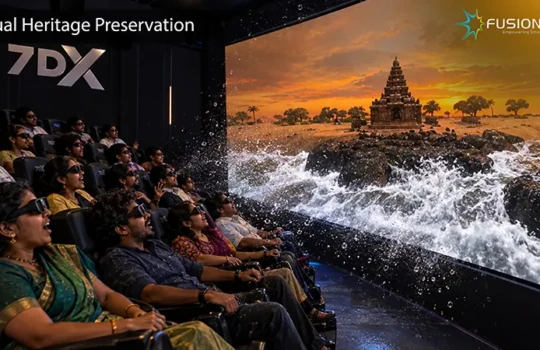
Meera: Absolutely. Just think about it-hearing excavation tools softly scraping through the soil, birds moving above you, far off voices from reenacted old markets, temple bells chiming, or waves pounding near an ancient harbor. Those small sensory details, like the environment itself really makes the whole thing feel genuinely real.
Arun: It’s amazing how sound can move people emotionally, like it just transports them.
Meera: And when you pair it with high-quality visuals, that spatial audio thing creates such a remarkable feeling of presence, really.
Arun: I’ve been hearing that museums are trying to pull in the younger generations… but like, does VR actually work, or is it just a hype thing?
Meera: Honestly, it helps a lot. Interactive experiences tend to be more easily liked by younger audiences, yet they’re still really useful for adults too. You know how families go, they move through it together, so they can talk about what they’ve learned and keep asking questions as they go. Instead of just quietly drifting through galleries, visitors more or less step into history, like they’re actually doing something.
Arun: That must, know, encourage repeat visits too.
Meera: Yeah, exactly. Museums can regularly refresh VR experiences, with new excavations, re built cities, recent archaeological findings, or other historical periods. Each visit gives you something a bit different, like a fresh angle.
Arun: Technology keeps shifting so fast, do you think Museum VR will keep on evolving too, like for real?
Meera: Absolutely. In the future, the experiences might include AI driven virtual guides that can answer visitor questions in real time. And haptic tech could simulate that feeling of touching excavation tools, not just looking at them. Also, multi user worlds might let school groups take part in shared archaeological quests, at the same time.
Arun: That sounds like, seriously incredibly exciting.
Meera: And it’s only the very beginning. With advances in scanning tech, photogrammetry LiDAR, and digital reconstruction, archaeological environments are getting more and more precise.
Arun: So we aren’t creating fictional worlds really, we’re recreating real history, I guess, like it actually happened.
Meera: Exactly. Authenticity is essential… Archaeologists historians architects artists and technologists team up together so the reconstructions stay true to the evidence that’s available.
Arun: I think this also helps build trust with museum visitors, like it’s not just guessing you know.
Meera: Sure, exactly. Folks tend to value that feeling when they realize they’re seeing carefully researched interpretations not just pure “make believe”, even if it sounds similar at first.
Arun: Museums have changed a lot over the years, you know.
Meera: Yeah, they really have. Museums used to be mostly repositories for collections, not much else. But now they are turning into immersive learning settings where visitors are expected to take part in the whole discovery process, like actively.
Arun: It feels like museums, are slowly turning into archaeological journeys of sorts, you know.
Meera: Honestly that’s beautifully put. Every visitor ends up being part of the exploration, like they’re more than just passing through.
Arun: Also there is something emotional about standing right where those ancient people lived once, like you can almost feel it.
Meera: Yeah, and maybe that is the biggest strength of immersive archaeology. History stops feeling so far away. Visitors start to get it that these weren’t just mythical characters- they were real, ordinary people, with families, wishes, difficulties, little celebrations, and day to day routines, not that different from ours.
Arun: That thing creates real empathy, over thousands of year’s maybe.
Meera: Exactly. Museums aren’t only safeguarding objects, they’re keeping human experiences too, for everyone to feel them later.
Arun: I can totally imagine children stepping away from these experiences feeling kind an inspired to become archaeologists.
Meera: A lot of them, probably. Once curiosity gets lit early it tends to turn into lifelong learning, in a slow, steady way.
Arun: If somebody has never gone into a museum with VR, what do you think would catch them off guard the hardest?
Meera: I’d say, the sense of being there. Like the instant you’re standing inside some ancient excavation, with rebuilt architecture around you and those real world sounding ambiances, everything shifts. You’re not just staring at history from the outside anymore, it’s more like you’re inhabiting it, right then.
Arun: That sound like something you can’t really forget.
Meera: It usually is, you know. Visitors often end up talking not so much about the tech itself but more about the historical stories they had in the moment. That’s the real win for VR museums. The technology fades into the background, so history can stay in the spotlight.
Arun: So yeh, immersive archaeology isn’t totally replacing traditional museums or anything like that.
Meera: Nope, not really. It’s more like, enhancing them, you know. Real original artifacts stay wildly important because they’re authentic links, to the past. Virtual reality just adds that missing context which helps visitors really take in those treasures properly, and feel it more.
Arun: Yeah that actually makes perfect sense, you go through the uncovering first, then the whole civilization clicks in your mind, and after that you finally come upon the original object, with this totally new admiration.
Meera: Totally, like the artifact ends up being the resolution of this amazing journey, not really the beginning point.
Arun: After hearing all this, I don’t think I’ll ever look at archaeological museums the same way again, not really.
Meera: Yeah, that’s the goal of immersive archaeology. It changes curiosity into understanding, observation into actually participating, and ancient history into this living experience. When you step inside virtual excavation trenches, wander through reconstructed civilizations, and watch discoveries as they happen, Museum VR makes these really strong links between the past and the present. It reminds us that under every layer of earth, there isn’t only lost stuff, there are remarkable human stories waiting to be rediscovered, lived through, and shared with the people that come after.