Museums have long served as learning places for a long time, giving students a chance to look into history, science, art, and culture without being stuck only inside the classroom. But somehow, education keeps changing, and digital learning is getting more and more central, so the usual museum trip just isn’t enough anymore to fully engage today’s tech-savvy learners. That is where immersive technology in school education programs is quietly changing the whole vibe of museum visits. When museums add virtual reality (VR), augmented reality (AR), mixed reality (MR) , artificial intelligence (AI) , interactive touchscreens , 3D visualization and immersive storytelling, they can craft learning spaces that feel way more involving. Those tools can help students remember more, spark genuine curiosity, and also make learning easier to reach for different kinds of students. Learning how museums can use immersive technology for school education programs matters, because it lets schools and cultural organizations put together experiences that link what students study in class with real-world exploration. At the same time, it helps prepare everyone for a future where technology is part of everyday life.
Museums have always been like places where history, science, art, and culture just sort of come alive. For many generations, students have walked through museum halls , watched rare artifacts up close , and heard guides explain why specific exhibits matter . And yes, those older style visits are still really valuable. But today’s students are growing up in a digital-first world, where interactive learning tends to grab their focus more easily than sitting back and passively observing. So as education keeps changing, museums also have this big chance to reshape school education programs by leaning into immersive technology. If museums bring in virtual reality, augmented reality, mixed reality, 3D visualization, interactive projections, and artificial intelligence, they can build memorable learning moments that spark curiosity, strengthen understanding, and make education more reachable for every student.
The role of museums in education has sort of expanded a lot over the years. Instead of acting only as quiet storehouses for historical objects or great artistic masterpieces, museums now feel more like live learning spaces where people are pushed toward exploration, sharper analysis, and a bit of imagination. In many cases, schools organize visits to these places, to support what happens in class, and so students can meet ideas that never really show up in textbooks. Still, a bunch of students have trouble connecting with static displays, mainly because they have to picture historical moments, scientific discoveries, or entire ancient civilizations without much visual help. That’s where immersive technology comes in, it sort of makes the gap smaller by turning information into interactive experiences that invite curiosity, involve more senses, and basically get learners participating rather than just looking.
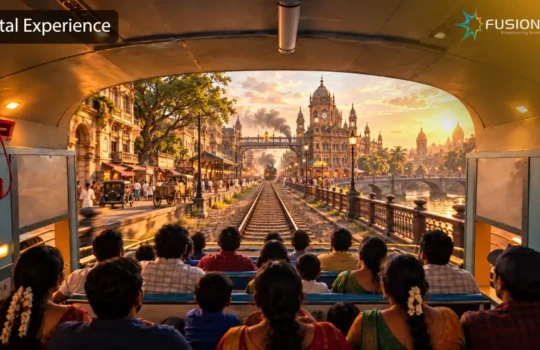
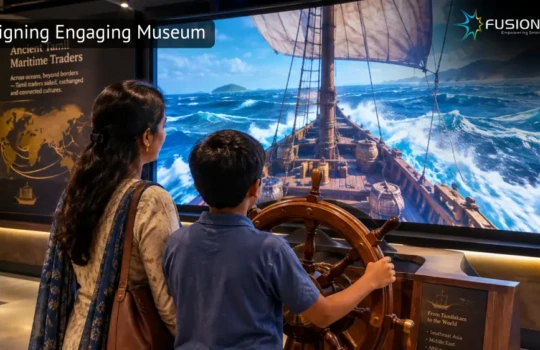
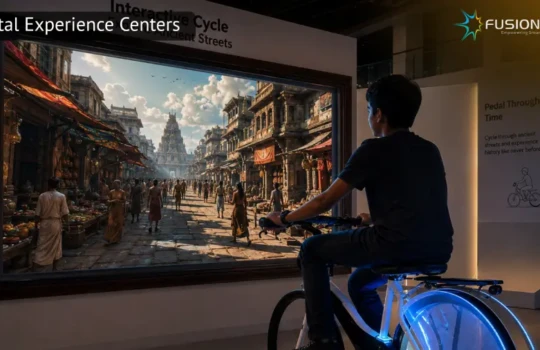
One of the biggest advantages with immersive technology is how it can move students into places they would not really ever be able to see in person. Virtual reality museum goers, like step inside ancient cities, check out archaeological digs, wander through prehistoric forests, or also drift off into outer space. Rather than just reading about the Egyptian pyramids, learners can virtually get into the burial chambers and then notice secret hallways, all while educational narration plays in the background. A history lesson turns into something way more memorable when students feel like they are right there with historical figures, or like they are watching big moments happen around them. That being “there”, really builds emotional ties which usually leads to better understanding and longer lasting knowledge too.
Augmented reality gives museums some pretty exciting chances to boost school education plans, without actually swapping out the physical exhibits. With smartphones, tablets, or AR enabled glasses, students just point their devices at the artifacts and then-right away-extra layers of info appear. Like a dinosaur skeleton can “wake up”, showing animated muscles and skin so students can really see how it moved back in those millions of years ago times. Ancient pottery might not only sit there, it can show digital reconstructions that explain how people probably used it day to day. Even paintings can become more than paint on a wall, because interactive overlays can bring out less obvious artistic methods, restoration steps, or the historical setting around the work. In the end, mixing real objects and digital storytelling tends to create a more immersive learning moment, while still keeping the authenticity of museum collections intact.
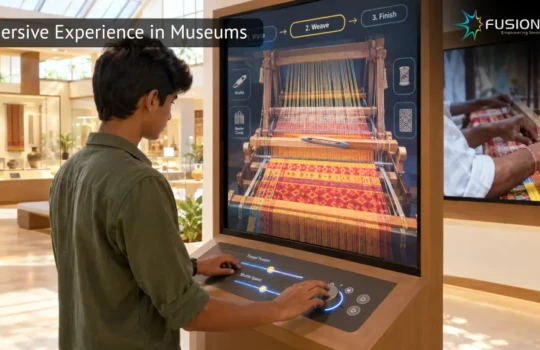
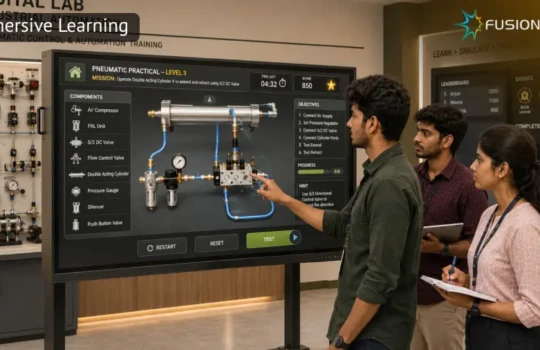
Interactive learning is one of the main principles behind solid education, and immersive technology supports it better than usual. Rather than just standing there and observing exhibits, students get pulled into the whole learning process as real participants. They can, for example solve historical mysteries, run virtual science experiments, reconstruct damaged artifacts, or even take part in simulated archaeological digs. There are also gamified educational experiences which push collaboration, real problem solving, and decision making, so students end up gaining academic knowledge plus those essential life skills too, even if they don’t notice it right away. Museums can set up challenges that match what schools cover, so the learning still has real educational value while staying genuinely fun.
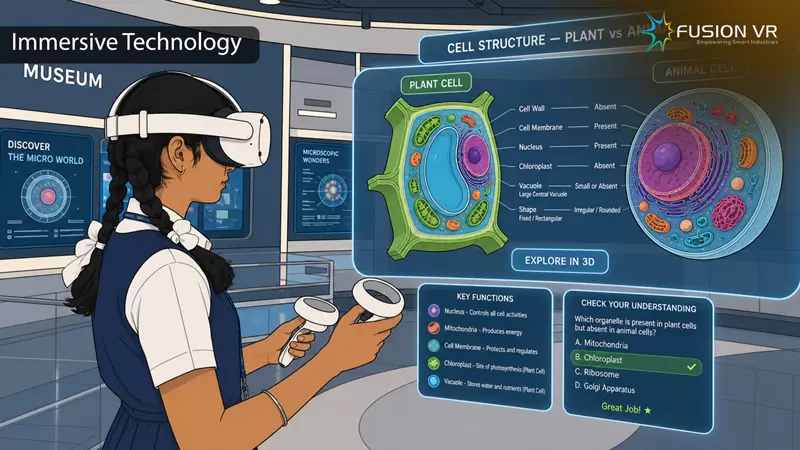
Science museums can really get a lot from immersive technologies, like when they show complicated scientific ideas in ways that feel visually captivating. Especially with topics such as physics, chemistry, astronomy, biology, and environmental science, there are all these abstract notions that are honestly hard for young learners to take in just by using textbooks alone, even if the text is good. With virtual simulations, students can for example watch molecular interactions happen, take a sort of inward look at the human body, see volcanic eruptions up close and personal, or understand climate change via shifting dynamic visuals. In a way, these tools break down the hard parts while still making room for wonder, and questions that lead to real scientific inquiry. Kids tend to remember the lesson better when they can mess around with the content, explore it, and interact, instead of only reading about it.
Natural history museums can use this immersive tech thing to rebuild extinct ecosystems, and save on the endangered habitat side too. Rather than just staring at preserved fossils, sitting behind glass, students can see lifelike recreations where dinosaurs actually seem to roam over prehistoric ground, or marine creatures swim through ancient sea spaces. Also, environmental lessons get more “felt” when learners, in a virtual sense, experience deforestation, coral reef decline or even wildlife protection actions. This immersive journey helps younger visitors grasp why biodiversity protection matters, and it often pushes them toward stronger environmental responsibility, pretty naturally.
Art museums can transform how students connect with creative works, by weaving in digital storytelling, plus an interactive exploration vibe. In a real sense, visitors can literally step inside well known paintings through virtual reality, or they might watch artists explaining traditional techniques via holographic projections. Students can pick up on artistic movements, cultural influences, and the historical background, all through multimedia presentations that feel more engaging than the usual posters. And with interactive digital studios, even children can craft their own artwork, inspired by museum collections, which keeps creativity moving, while still reinforcing the classroom learning goals that teachers want.
Accessibility is yet another big plus of immersive tech for museum learning. Not every school has the resources, to put together field trips, because of the geographical distance, the transportation costs, or just scheduling limits that keep getting in the way. With virtual museum tours, students can look through the exhibitions from their own classrooms or even from home, so everyone gets the same chance at high quality educational experiences, no matter where they are sitting. In addition, museums are able to craft online immersive learning programs that link up with schools across the country and internationally too, which helps push the educational impact well beyond the physical walls.
Immersive technology seems to help inclusive education too, because it can adapt to different learning styles and specific individual needs. In practice, some students really click with visual moments, while others get more out of auditory explanations or hands on interaction. Interactive digital exhibits can blend animations together, add narration, include subtitles, offer tactile interfaces, and even bring in multilingual content, so that each student can participate, in a proper way. Also, museums can think about visitors with disabilities by adding audio descriptions for learners who are visually impaired, sign language interpretation for deaf students, adjustable text sizes, and experiences that are sensory friendly.
Teachers also gain a lot when museums weave immersive technology into school education programs. Quite a few museums offer curriculum matched learning materials that work alongside lessons in the class before the visit, during it, and after. There are interactive lesson formats, digital worksheets, virtual lab sessions and evaluation tools, all of which let educators pull more learning value from the museum time. In practice teachers get a chance to ready students ahead of the trip with virtual previews and then to reinforce ideas afterward by means of online exercises and other immersive learning content .
Artificial intelligence also helps make museum visits feel more immersive by tailoring the educational journey for school groups a bit more naturally, you know. With AI-powered digital guides, explanations can shift around based on students’ age, grade level, what they’re into, and how fast they tend to learn. The younger kids might get simplified storytelling, like a guided fable, while older students can dig into deeper historical breakdowns or scientific, more nuanced ideas. And then there are interactive chatbots, they can respond to questions in real time, which basically boosts curiosity and gives students the push to explore on their own.
Mixed reality technology is sort of another really exciting step for educational museums, in a way. It combines physical spaces with digital layers, so learners can tinker and engage with virtual objects while still staying connected to what’s actually around them. So, a visitor might look at a real fossil on display and at the same time see the full skeletal structure floating above the exhibit, like its right there. And students exploring old building styles could observe digital reconstructions appearing right out of archaeological ruins.
Storytelling has always been pretty central to successful museum education and immersive tech it pushes storytelling into this whole new, higher gear. Historical events feel way more dramatic, like learners are actually there, watching key moments through multiple perspectives, not just one. Scientific discoveries also shift-more like an adventure of exploration and hands on experimentation. And cultural traditions, they don’t just get explained, they come alive via interactive performances and those digital reconstructions that make everything feel close up, almost immediate.
Collaboration between museums, schools, educational technology companies and curriculum designers really helps, in a big way, when you’re trying to craft immersive learning programs that actually work. The educational material should stay consistent with academic standards, but it also has to feel lively and suitable for learners by age, not just technically “correct”. And there should be ongoing input from teachers and students. That steady feedback lets museums keep tuning their technology-enhanced learning experiences, so the whole thing becomes more meaningful over time.
Although pushing immersive technology forward needs some investment in hardware, software, content making and staff training, there are big long term payoffs too: students tend to stay more involved, learning results get steadier, visitors feel more satisfied and the whole museum can build an improved institutional reputation. Working together with technology companies, government agencies, and educational orgs can really help museums unlock funding for digital transformations, initiatives that otherwise might be hard to start.
Museum staff stay right in the middle of successful learning experiences. Technology should help, not step in and replace the expertise that museum educators already have. A skilled guide can nudge discussions along, answer those questions that keep coming, facilitate collaboration and also help students link what they just experienced in a really immersive way with wider educational concepts too.
As technology keeps evolving, museums are going to get their hands on even more advanced tools, like holographic displays, spatial computing, wearable devices, and AI based personalized learning areas. And honestly these kinds of changes will help museums and schools feel more connected, while also opening up some genuinely thrilling moments for hands on education.
Conclusion
The future of museum education seems to be about making it feel, more alive, more engaging, and a bit more hands-on, using tech that actually pulls learners in. When we look at how museums might use immersive technology for school based programs, it helps them step out of the old “look and then move on” routine, and instead offer teaching moments that stay with students, that are easy to reach, and that fit the curriculum. So it could be virtual reality museum sessions, augmented reality exhibit layers, AI powered learning support, mixed reality tools, or interactive digital storytelling, all of that together. With immersive technology, students don’t just watch history, science, art, and culture from a distance, they actively wander through ideas, test notions, and connect the dots. And since schools keep asking for newer educational options, museums that put money into immersive tech in museums, interactive exhibit design, and digital learning solutions end up being real, indispensable partners for modern education. In the end it supports curiosity, creativity, teamwork, and lifelong learning for students everywhere, which is the whole point.