
“Why do you think young people don’t visit museums anymore?”
“Hold on,” Priya smiled, “they do visit but only when museums stop feeling like… well, museums.”
“Meaning?”
“Meaning static glass displays and long text panels don’t cut it anymore. Gen Z grew up with smartphones, gaming, and immersive content. If a museum doesn’t match that level of engagement, they lose interest within minutes.”
Arjun leaned forward. “So you’re saying museums need to entertain, not just educate?”
“Exactly. But not in a superficial way. They need to create experiences.”
“Alright, let’s break this down. If I’m a museum curator trying to attract Gen Z, where do I even begin?”
Priya paused. “Start by understanding one thing Gen Z doesn’t want to just see history. They want to experience it.”
“That sounds like a big shift.”
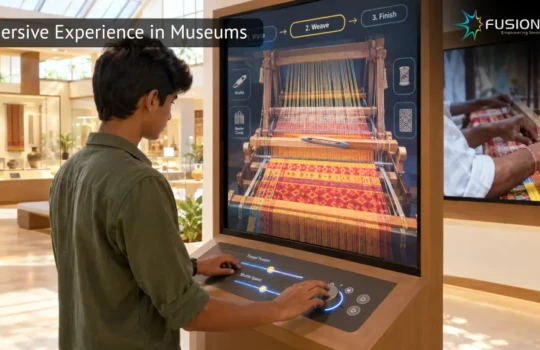
“It is. Traditional museums were built on observation. But today’s audience prefers interaction. That’s where concepts like ‘Museum 2.0’ come in integrating digital technologies, immersive storytelling, and interactive exhibits to create a deeper connection.”
“Okay, give me an example.”
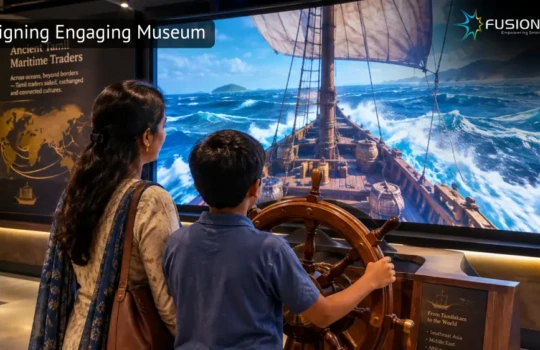
“Imagine walking into a museum and instead of reading about an ancient civilization, you wear a VR headset and actually walk through their streets.”
“Now that sounds interesting.”
“And it works,” Priya added. “Interactive technologies like virtual reality, augmented reality, and 3D projection mapping transform passive visitors into active participants. That’s exactly what modern museum experiences are focusing on.”
Arjun nodded. “So interaction is key. But what else grabs Gen Z?”
“Storytelling,” she replied instantly.
“Storytelling? Museums already tell stories.”
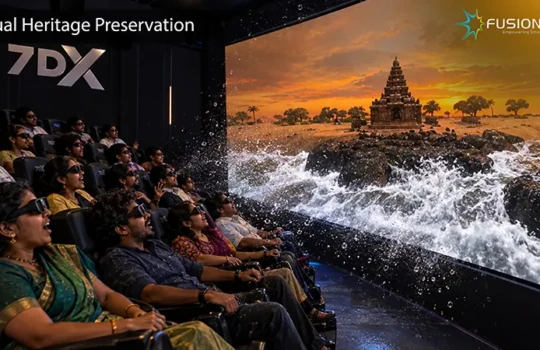
“Not like this. Gen Z doesn’t connect with timelines they connect with narratives. Emotional, immersive storytelling. When museums use multimedia like 3D films, holography, or immersive cinema they turn history into a journey.”
“Like watching a movie instead of reading a textbook.”
“Exactly. And when it’s done right, it sticks. Experiences that combine visuals, sound, and motion create stronger memory retention and emotional engagement.”
Arjun thought for a moment. “So basically, museums need to think like content creators?”
Priya laughed. “That’s a great way to put it.”
“But here’s a question,” he continued. “Gen Z is obsessed with social media. Can museums actually use that?”
“They have to,” she said firmly. “Social media integration is no longer optional. Museums should create ‘shareable moments’ interactive zones, AR selfie booths, or visually stunning installations.”
“So people take photos and post them?”
“Exactly. And that becomes organic marketing. When visitors share their experiences, they’re promoting the museum to their entire network. It creates curiosity and drives footfall.”
“That’s smart. But what about attention span? Everyone says Gen Z has a short attention span.”
“That’s not entirely true,” Priya corrected. “They don’t have a short attention span—they just have high expectations.”
“Meaning?”
“If something is engaging, they’ll spend hours on it. Think about gaming. Museums can learn from that.”
“Gaming? Inside museums?”
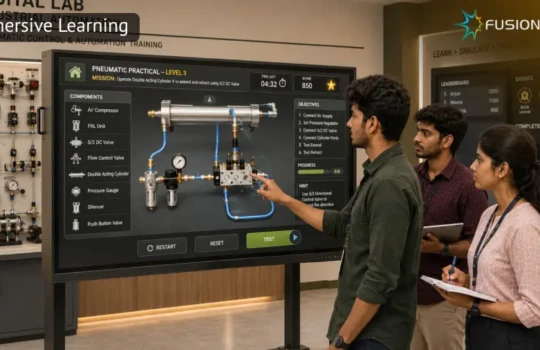
“Yes! Gamification is one of the most powerful tools. Quizzes, challenges, interactive missions these turn learning into play. Instead of walking through exhibits passively, visitors actively explore and participate.”
“So like earning points or unlocking content?”
“Exactly. It adds a sense of achievement. And more importantly, it keeps them engaged longer.”
Arjun leaned back. “This is starting to make sense. But what about accessibility? Not everyone can visit museums physically.”
“That’s another big opportunity,” Priya said. “Digital museums and virtual tours.”
“You mean like online experiences?”
“Yes. Museums today can reach a global audience through virtual platforms smartphones, tablets, even VR headsets. This removes geographical barriers and allows anyone to explore from anywhere.”
“So even someone sitting at home can visit?”
“Exactly. And here’s the interesting part virtual experiences often encourage physical visits later. Once people get a taste online, they want the full experience in person.”
“That’s clever.”
“It’s also necessary. Gen Z lives in a hybrid world physical and digital. Museums need to exist in both.”
Arjun paused, then asked, “What about personalization? Everything today feels customized Spotify playlists, Netflix recommendations…”
“Great point,” Priya said. “Modern museums are starting to offer personalized experiences based on visitor preferences.”
“How does that work?”
“Through mobile apps, interactive guides, and data analytics. Museums can track visitor behavior and adapt content accordingly making each visit unique.”
“So no two visits feel the same?”
“Exactly. And that’s what keeps people coming back.”
“Alright,” Arjun said, “but let’s talk about something deeper. Why should Gen Z even care about museums?”
Priya smiled thoughtfully. “Because museums are evolving from places of information to places of inspiration.”
“That’s a strong statement.”
“Think about it. When you combine technology, storytelling, and interaction, museums stop being about the past they become relevant to the present and future.”
“Can you give me an example?”
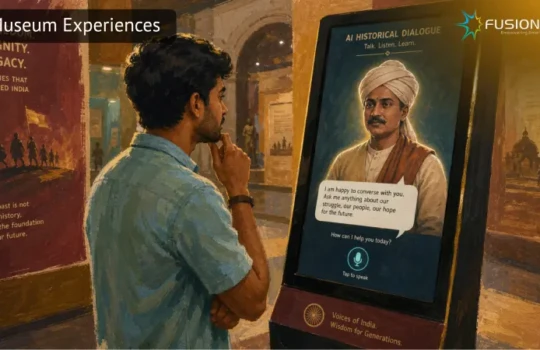
“Take immersive experiences that recreate historical events or showcase influential personalities. Instead of just learning facts, visitors emotionally connect with the subject.”
“So it becomes personal.”
“Exactly. And that emotional connection is what Gen Z values most.”
Arjun nodded slowly. “I see where this is going. Museums aren’t just competing with other museums anymore.”
“Right,” Priya said. “They’re competing with Netflix, gaming platforms, social media everything that captures attention.”
“That’s a tough competition.”
“It is. But museums have one big advantage.”
“What’s that?”
“They offer real experiences. You can’t replicate the feeling of being physically present in an immersive environment.”
“That’s true.”
“And when you combine that with cutting-edge technology, you get something powerful an experience that is educational, entertaining, and unforgettable.”
Arjun smiled. “You’re convincing me. But let’s be practical what are the core things every museum should focus on?”
Priya counted on her fingers. “Interactive exhibits. Immersive storytelling. Social media integration. Gamification. Digital accessibility. Personalization.”
“That’s quite a list.”
“It is. But they all serve one purpose engagement.”
“And engagement leads to footfall.”
“Exactly. In fact, museums that adopt digital transformation often see increased visitor numbers because they align with modern expectations.”
“Interesting. So the future of museums isn’t just about preserving history it’s about reimagining how we experience it.”
“Perfectly said,” Priya replied.
Arjun paused for a moment, then asked, “Do you think traditional museums will disappear?”
“Not at all,” she said. “They’ll evolve. The goal isn’t to replace tradition it’s to enhance it.”
“So combine the old with the new?”
“Yes. The best museums today blend authentic historical objects with digital layers creating a richer, more engaging experience.”
“That actually sounds exciting.”
“It is. And that’s why Gen Z is slowly rediscovering museums not as boring spaces, but as immersive experience centers.”
Arjun laughed. “You know what? If museums were like this when I was younger, I’d have visited more often.”
Priya grinned. “Exactly. And that’s the whole point making museums a place people want to visit, not feel obligated to.”
“So in one line how can museums attract Gen Z?”
She leaned forward and said, “By turning curiosity into experience.”
“Nice,” Arjun said. “Very nice.”
“And honestly,” she added, “this is just the beginning. As technology evolves, museums will become even more immersive, interactive, and personalized.”
“So the future of museums?”
“Not quiet halls,” Priya smiled. “But living, breathing experiences.”