
The world is entering an era where physical systems and digital technologies and intelligent automation systems no longer maintain their traditional boundaries. Industry 4.0, which includes artificial intelligence and robotics, IoT, digital twins, data analytics and augmented reality and virtual reality, is changing both business operations and workforce competency requirements. Traditional educational systems encounter their main obstacle in the current technology-driven world because they must develop methods to train students for future jobs which will continually transform and remain undiscovered at present.
Universities have always served as educational institutions that provide theoretical knowledge and conduct academic research. The industrial sector operates under three main conditions which include real-world restrictions, research development processes, and market requirements. The present situation demands that academic institutions establish connections with industrial partners because this practice has become essential for their operation. Universities need to establish industrial partnerships because these relationships help students acquire the skills which employers need while they develop abilities to drive future digital progress.
The concept of Industry 4.0 extends beyond its automation and digitisation aspects because it requires businesses to establish smart system connections which enable employees to work with machines and drive ongoing technology progress. The new business requirement needs employees who possess both technical skills and the ability to adapt and develop creative solutions and work across different disciplines. Universities alone cannot fully replicate real industrial environments, and companies cannot independently develop large-scale training ecosystems for future talent. The partnership between universities and businesses establishes a robust ecosystem which connects theoretical knowledge with practical usage.
Universities require industry partnerships because they need to maintain current educational programs throughout their entire duration. Many academic programs still follow syllabi designed for earlier technological eras, focusing heavily on theory without sufficient exposure to real-world applications. Through industry partnerships, universities acquire knowledge about contemporary technological advancements which include immersive simulations and digital manufacturing and artificial intelligence and Industry 4.0 automation systems. This partnership enables educational institutions to maintain ongoing curriculum updates that reflect actual industry requirements, allowing students to gain immediate professional skills needed for their future careers.
Through partnerships, universities gain access to practical insights into emerging technologies like digital twins, virtual prototyping, immersive training environments, and predictive analytics. Students gain advantages through their exposure to actual case studies which demonstrate practical problem-solving techniques and currently used industry equipment. The educational setup enables students to combine academic knowledge with real-world skills, which helps them develop work-ready skills and industry-required confidence.
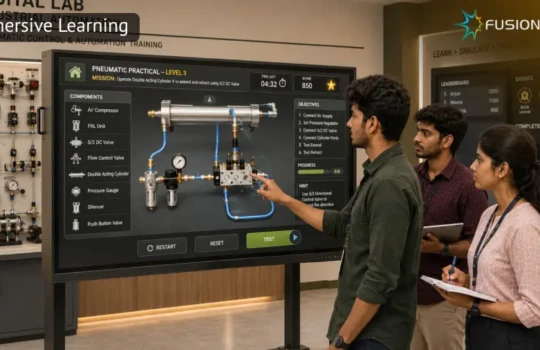
Industry partnerships provide educational institutions with their most valuable advantage because these partnerships create real-world learning environments for students. Traditional classroom-based learning is no longer sufficient to train students in complex technologies such as robotics integration, automation workflows, simulation-based design, and interactive digital systems. The collaboration between universities and industry partners allows educational institutions to create experience centers, innovation laboratories, and simulation training facilities which provide students with opportunities to test their ideas and develop new solutions.
Virtual reality and augmented reality as immersive technologies serve essential functions in educational programs for Industry 4.0. The technologies enable students to safely explore complex environments, which include manufacturing plants and engineering simulations, architectural visualisations, and medical procedures in a controlled virtual environment. Universities create immersive laboratories through their partnerships with industry experts which provide students with authentic professional experience before they enter their careers.
Industry partnerships foster interdisciplinary education because they serve as a fundamental requirement needed for Industry 4.0 development. Modern technological solutions require experts from multiple fields, which include computer science, electronics, mechanical engineering, design psychology and business strategy. The universities that establish direct partnerships with industries develop cross-disciplinary programs which encourage innovation and collaborative work. The students develop team working skills while learning to handle projects and create solutions that use different technologies.
Industry collaboration provides students two main benefits through its internship opportunities and live project opportunities. Academic students achieve great advantages when they solve actual business challenges through their schoolwork. The experiences demonstrate how to manage projects while dealing with technical difficulties and meeting project deadlines and fulfilling industry standards. Live projects enable students to see how their academic knowledge applies in real-world situations while developing their skills to adjust to workplace demands. The forthcoming report will contain details about our current research work and future research plans.
The learning experience receives additional support through both industry mentors and guest lecturers who participate in the program. Professionals provide essential knowledge about new technologies and current market trends and necessary job skills. Students learn what employers want by interacting with industry experts while discovering their personal development needs. Mentorship programs enable students to create professional networks that serve as vital resources for their future career advancement.
The combination of academic research through industrial partnerships leads to enhanced research and innovation activities. Universities possess strong research capabilities, but they need access to extensive research facilities for their work. Academic research receives support from industry partners who deliver actual problems, research funding and real-world testing sites. The partnership creates genuine solutions that address actual challenges instead of producing theoretical results.
The growing importance of smart manufacturing and AI-driven automation and human-machine interaction and immersive visualization and digital twins research areas underpins Industry 4.0 development. The research collaboration with the industry sector ensures that research results meet market requirements while being applicable to actual work environments. The academic research produces greater results because it improves technology development through its research.
Partnerships between industries and educational institutions work as a vital element for bettering student employment outcomes. Students face their most significant challenge because they need to know whether their educational path will result in actual job opportunities. Employers seek candidates who demonstrate both practical experience and project work plus knowledge of industry-standard tools. The educational institutions which establish partnerships with industrial partners can deliver certification programs and skill development training plus hands-on workshops which enhance student employment prospects.
Industry 4.0 technologies base their training programs on industrial skills which enable students to master simulation software and immersive design platforms and automation systems and AI frameworks. The industrial sector considers these abilities to be essential for employment in manufacturing and healthcare and architectural and entertainment fields. The students who complete their studies with real-world experience will find better employment opportunities than their peers who lack such experience.
Another important aspect of industry collaboration is the creation of innovation ecosystems within universities. Students at the university can develop their entrepreneurial skills through innovation hubs, startup incubation centers and digital experience labs. The industry partners can assist these projects through their provision of mentorship and technology infrastructure and their expertise in commercialization strategies.
Universities that maintain active partnerships with industry organizations develop into innovation hubs which enable students to create new products and solutions and technological advancements. The atmosphere of this space enables students to exercise their creative abilities while developing skills needed for entrepreneurial success. Industry 4.0 needs professionals who possess two essential skills which enable them to adapt to changes while they create fresh innovations and business growth.
Industry partnerships enable universities to maintain their connection with international technology advancements. Academic institutions need ongoing access to industry knowledge because technology progresses at an extremely fast rate. The partnerships enable universities to obtain industry knowledge through technology demonstrations and innovation strategies which assist them in predicting upcoming skill demands.
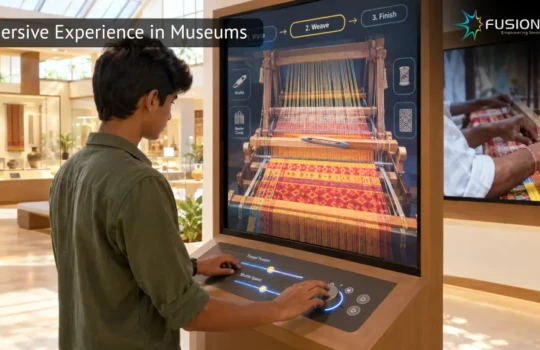
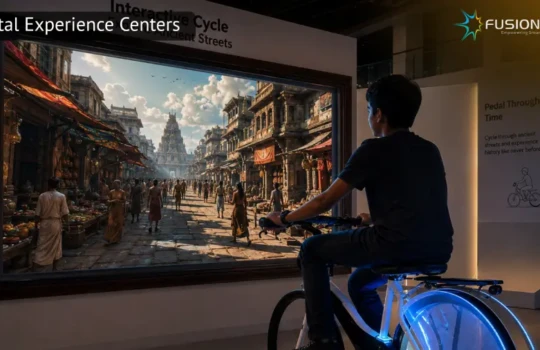
For example, educational and cultural institutions now use digital museums and immersive learning systems and interactive simulations as their main educational technologies. The technologies provide educational institutions with three benefits, which are increased user interaction and better knowledge retention and development of important learning experiences. Universities can implement these technologies through industry partnerships, which enable them to include the technologies in their academic curricula.
Industry partnerships bring universities their essential faculty development benefit. Educators need continuous exposure to emerging technologies to effectively train students. Faculty members maintain their technological knowledge through industry partnerships which deliver training programs and workshops and knowledge exchange activities. Faculty members who receive proper training will provide better student guidance while supporting advanced research projects.
In the current Industry 4.0 period universities need to transition from their role as knowledge providers to become innovation enablers. Education needs to transition from its current state which relies on textbooks and conventional lectures toward a model that includes interactive learning activities and group work and technology-based educational settings. The required industry partnerships will supply essential resources needed to accomplish this transformation.
The future of education requires institutions to develop programs which promote collaborative work and flexible adaptation and innovative practices. Universities that maintain active connections with industry partners can better equip their students to face the challenges brought by digital transformation. The partnerships establish a dynamic educational environment which combines academic knowledge with practical business experience.
Success in the modern business world requires new skills which Industry 4.0 technologies bring about. Professionals need to develop four essential skills which include technical expertise and creative thinking and problem-solving ability and practical experience. Universities that collaborate with industry partners can develop programs which successfully teach these specific competencies.
The relationship between academia and industry will grow in importance because of ongoing technological advancements. Universities that embrace collaboration will be able to provide meaningful learning experiences, enhance research impact, and improve student employability.
The current workforce development needs advanced industry partnerships because they provide essential support to build future-ready skills. The educational system needs to establish modern educational programs because Industry 4.0 requires universities to develop innovative solutions through collaborative research with industrial partners.