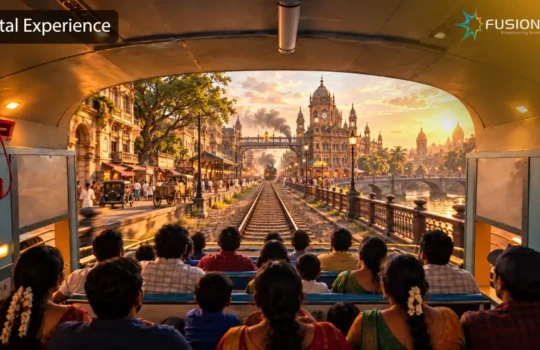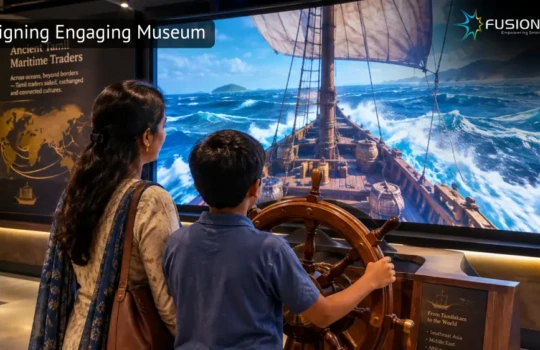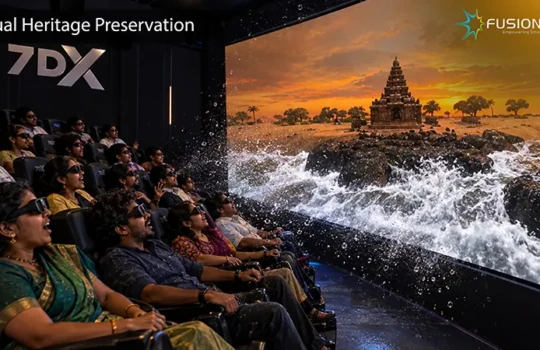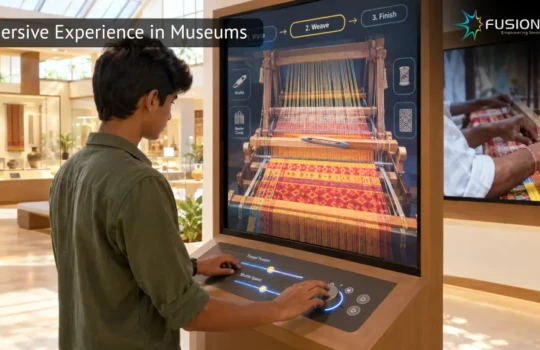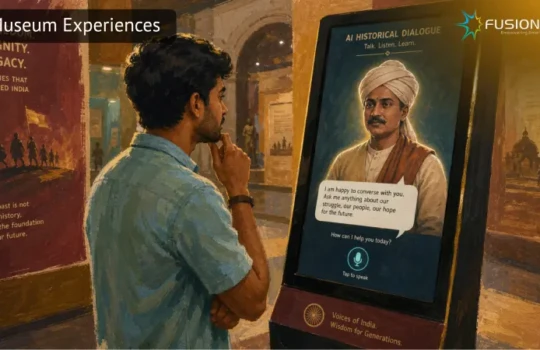

Interactive museums provide people with new ways to experience cultural and scientific and historical and innovative content. The design of traditional museums focused on providing observation spaces which modern visitors now expect to offer immersive and interactive and technology-based experiences. The development of AR, VR and MR and AI and projection mapping and interactive display technologies has transformed museums into active educational spaces that foster curiosity and user participation.
Organisations that create digital museums and experience centres have discovered that interactive technologies show great potential to improve their storytelling capabilities and visitor engagement and their ability to retain knowledge. The combination of virtual reality tours with immersive projection environments and AI-driven interactions and multisensory installations enables visitors to access content that extends beyond physical boundaries.
Interactive museums face operational difficulties that prevent their development into successful exhibits. The institutions encounter multiple challenges when they attempt to implement digital experiences because they must handle technology integration content development processes and cost management, together with developing visitor experience design. This article explores the major challenges in building interactive museums and provides practical solutions based on industry best practices.
1. Balancing Technology with Cultural Authenticity
The development of interactive museums faces its main challenge because architects need to find a suitable point between digital technology and physical objects authenticity. Museums exist to preserve heritage and cultural collections but their excessive use of digital effects creates distractions that lead visitors away from authentic exhibits.
The interactive technologies of augmented reality overlays, immersive projections and gamified storytelling should serve their main purpose of enhancing the narrative. Experts believe that technology should enable a better understanding of objects, which should remain as the fundamental elements of the study.
Solution
Designers must adopt a “content-first” approach, which requires storytelling to determine their technology choices. The educational objectives of every interactive installation need to be clearly defined. The following examples demonstrate this concept:
- AR overlays can reveal hidden layers of archaeological objects.
- VR experiences can recreate historical environments that no longer exist.
- Projection mapping can bring static sculptures to life through animation.
2. High Development and Implementation Cost
Interactive museum installations need specialised equipment and software development and content creation and system connection work. The expense of virtual reality systems and motion tracking technology and holographic display systems and extensive projection facilities reaches high levels.
Government museums and heritage centres, and educational institutions experience restricted innovation capabilities because of their budget limitations. The technology field advances at a fast pace, which forces organisations to spend on future system updates and ongoing maintenance. Studies demonstrate that organisations face high costs and technical system needs when they want to adopt VR and immersive technologies.
Solution
The implementation of a phased implementation strategy enables cost management through its effective cost control mechanism. Museums should focus their resources on:
- Interactive touch exhibits
- Projection-based storytelling environments
- Virtual tours accessible through remote access
- Modular digital installations.
The combination of cloud content management systems with scalable software platforms leads to decreased operational expenses throughout their entire lifespan. The partnership with professional immersive technology providers enables us to choose the best hardware for our project needs while reducing execution costs.
3. Integration of Multiple Technologies
Interactive museums need to implement multiple technologies, which include:
- AR, VR and MR platforms
- Interactive kiosks
- Motion sensors
- Projection mapping systems
- Multi-touch tables
- AI-powered interfaces
- Audio-visual systems.
The process of connecting hardware to software and networking and content synchronisation presents significant difficulties. The system needs to maintain full operational capacity for all public visitors.
Research shows that interactive museums use multiple sensory elements which include visual, auditory and tactile feedback, to boost visitor engagement.
Solution
System integration planning must start at the beginning of the conceptual development phase. The main objectives of the project require the execution of these tasks, which include:
- Creating detailed system architecture diagrams
- Ensuring compatibility between hardware and software platforms
- Conducting prototype testing before installation
- Designing centralised control systems for monitoring installations.
The use of established technologies together with skilled system integrators reduces technical risks.
4. Creating Engaging and Meaningful Content
The visitor experience needs more than technology because it requires additional elements to create engagement. Interactive museums need high-quality storytelling together with compelling visuals and intuitive interaction design as their fundamental elements.
The development of content needs historians and designers and animators and subject experts and technologists to collaborate. The process of creating immersive experiences requires the use of 3D modelling and animation production and sound design and scripting, and user experience design.
Virtual museum environments enable visitors to interactively explore exhibits while they view digital object representations, which enhances both accessibility and learning outcomes.
Solution
Museums need to use multiple disciplines for their content development process. The best practices that should be followed include
- User journey mapping
- Interactive storytelling frameworks
- Gamification elements
- Multilingual content support
- Adaptive content for different age groups.
The combination of educational content with entertaining material will produce higher visitor retention rates and greater visitor satisfaction.
5. User Experience Design for Diverse Audiences
Museums attract visitors from various age groups and educational backgrounds and different levels of technical knowledge. The design process needs to create user interfaces that can be easily used by children and students and professionals and elderly visitors.
Visitors face difficulties when they encounter poor interface design because it creates confusion which leads to decreased visitor engagement. Interactive exhibits need to show users how to operate the exhibit through direct instructions and they need to provide a user-friendly operating system and they must deliver an immediate response to user actions.
Interactive exhibitions have transformed museum design by promoting visitor participation and hands-on learning experiences.
Solution
The design team needs to use human-centred design principles when creating interactive experiences, which should include:
- Simple user interfaces
- Clear navigation instructions
- Visual guidance systems
- Minimal learning curve
- Multilingual sup
- Accessibility features
User testing with actual users helps to improve the testing process through their real-world navigation of the system.
6. Maintenance and Long-Term Sustainability
Digital installations demand continuous upkeep through their need for software updates, hardware repairs and content updates, which differ from traditional static exhibits.
The interactive systems face permanent operation because their design needs to handle the extensive usage from visitors. The visitor experience gets disrupted by technical problems which include calibration errors and hardware failures and software glitches.
The proper planning of digital asset lifecycles enables museums to achieve sustainable digital asset management throughout their entire operational period.
Solution
Maintenance strategies should include:
- Annual maintenance contracts (AMC)
- Remote monitoring systems
- Preventive maintenance schedules
- Modular hardware design for easy replacement
- Content update frameworks
Using scalable software allows users to expand their system capabilities without needing to replace their entire system.
7. Training Museum Staff for Technology Operation
Museum staff focus their work on exhibition planning tasks and educational responsibilities. Interactive museums need staff members who possess technical skills to handle digital system operations and solve problems, and assist visitors.
Project planners frequently ignore the need for training staff members who will operate complex systems at their worksite.
Digital museum operations require two essential components, which include working technology and museum staff members who are skilled in system operation and maintenance.
Solution
Training programs should be included as part of project implementation:
- Technical training for operators
- Content management system training
- Troubleshooting manuals
- Standard operating procedures
- Remote technical support
The right training programs deliver continuous visitor service without interruptions.
8. Ensuring Accessibility and Inclusivity
Interactive museums must provide accessibility and inclusive facilities that enable all visitors to access their exhibits, including visitors who have disabilities. Digital experiences should consider:
- Audio assistance for visually impaired users
- Subtitles and multilingual narration
- Wheelchair-friendly installations
- Simplified interaction mode
Virtual museums provide additional accessibility options because remote users can view their exhibitions through online platforms.
Solution
The planning process needs to include universal design principles from the beginning stage. The interactive technologies improve accessibility through three specific features, which are:
- Gesture-based navigation
- Voice-enabled interfaces
- Virtual tours
- Assistive technologies
Accessible museums create inclusive learning environments. The accessible design of museums establishes spaces that all people can use to learn.
9. Keeping Visitors Emotionally Engaged
The Visitors seek to experience immersive environments which create strong emotional bonds. Interactive storytelling enables audiences to grasp historical events and cultural traditions, and scientific concepts at a deeper level.
The research demonstrates that immersive experiences boost curiosity and memory retention, and emotional engagement.
Solution
Emotional engagement can be enhanced through:
- Cinematic storytelling
- 3D audio design
- Multisensory effects
- Character-driven narratives
- Personalised interactive journeys
The storytelling experience provides visitors with stronger content connections than standard methods.
10. Future-Proofing Interactive Museums
Museums need to maintain their exhibits because technological advancements progress at a fast pace which requires them to update their systems for extended periods.
The systems that designers built without scalability features will lose their value after a short period.
Future-ready museums need to integrate emerging technologies, which include
- AI-powered digital guides
- Metaverse museum environments
- Digital twins
- Real-time rendering engines
- Holographic interaction systems.
Interactive museums develop new storytelling methods and visitor engagement opportunities because of advances in technology.
Solution
Future-proofing strategies include:
- Modular hardware architecture
- Cloud-based content platforms
- Scalable software frameworks
- Open technology standards
- Periodic content updates
The planning process for technological advancement enables organisations to achieve sustainable development goals.
Conclusion
The interactive museum format serves as the upcoming solution to both cultural storytelling and experiential educational methods. The combination of immersive technologies with their compelling narratives allows museums to change their visitors from passive observers into interactive participants.
The implementation process faces several obstacles which include expenses and difficulties in connecting different systems plus the need to make new content and keep everything operational. The organisation can achieve successful results through its strategic planning process when it partners with their skilled immersive technology providers.
The combination of digital interactive museums together with virtual reality experience centres and corporate experience centres enables people to discover history, science, art and innovation in new ways. Museums can develop experiences that create lasting memories through their optimal combination of technological elements and storytelling techniques.
Interactive museums will use emerging immersive technologies to protect cultural heritage through their traditional museum functions. Organisations that choose to invest in digital museum solutions at present time will create upcoming developments in educational fields and entertainment options and cultural participation.