
Museums exist as permanent protectors of cultural heritage and historical records and scientific knowledge and national heritage. They maintain historical objects which tell stories about past societies and connect ancient times with modern times. The traditional museum format faces difficulties in capturing the interest of contemporary audiences who prefer interactive digital content and immersive storytelling experiences and educational materials that use advanced technology. Governments throughout the world now understand that museums need modernization to maintain their ability to teach future generations while providing engaging experiences. The most effective method to create this transformation development requires museums to establish digital experience centers.
Digital experience centers enable users to participate because they let users engage with digital content. Visitors to the exhibit experience the narrative through interactive technologies which include virtual reality and augmented reality and projection mapping and interactive displays and multi-sensory environments. The three national museums and heritage institutions and cultural centers of a country can use these technologies to create interactive displays which will help them reach a larger audience for educational and inspiring purposes.
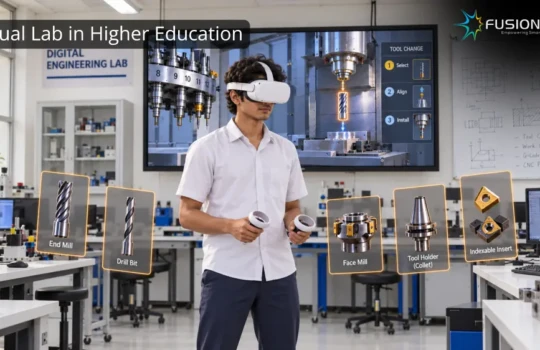
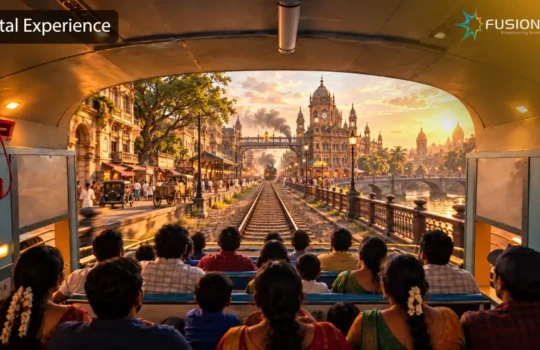
The main benefit that digital experience centers provide to modernized museums enables museums to present historical content in an interactive way. The complete understanding of historical objects and events requires more than just textual and photographic evidence that exists at historic sites. The interactive digital storytelling experience enables visitors to experience historical events in real time. Through virtual reality technology visitors can experience ancient cities and archaeological sites and historical events. Augmented reality technology enables digital reconstructions to be displayed on physical artifacts, which assists visitors in understanding the original functions of ancient objects and the former appearance of historical structures.
Digital museum technologies enable governments to create engaging presentations of complex historical narratives. The interactive timelines together with animated visualizations and immersive theatres enable visitors to study how civilizations developed through cultural movements and political transformations. Touch screen interfaces and short multimedia narratives and digital content that adjusts to user preferences offer visitors an interactive experience that replaces extensive text descriptions. The interactive method establishes a new standard because it enhances both knowledge retention and visitor satisfaction to a better level.
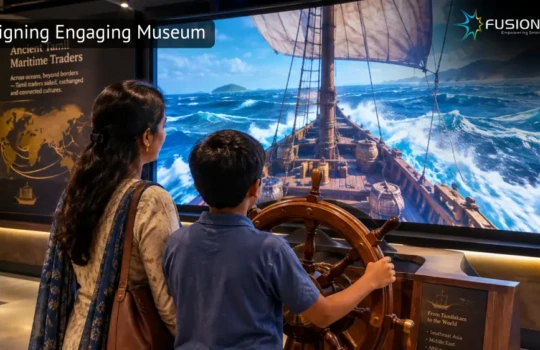
The main advantage of digital experience centers exists because they create platforms that appeal specifically to young people. Today’s students and young professionals use digital devices together with interactive media and gamified learning environments. Traditional museum displays fail to maintain their attention because they do not provide engaging content. By using gesture-based interaction together with immersive projection rooms and VR exploration zones, governments create museum spaces that attract digital-native visitors. The experiences provide both entertainment and educational content, which results in museums becoming popular sites for school excursions and university research and family visits.
The digital experience centers provide governments with new methods to display their cultural heritage. The majority of ancient artifacts exist as fragile items which possess incomplete parts or excessive worth that makes their display unfeasible. Through 3D scanning and digital reconstruction, museums can recreate lost monuments, damaged sculptures, or inaccessible archaeological sites in full detail. The digital reconstructions enable visitors to experience cultural heritage through immersive environments which protect original artifacts from potential harm.
Personalization serves as the vital element which drives contemporary digital museums. Traditional museums provide the same information to every visitor, regardless of their interests or knowledge level. Digital systems, however, allow for adaptive experiences. Interactive kiosks, mobile apps, and AI-driven guides work together to create customized information systems which respond to visitor needs. A visitor who wants to know about building techniques will receive specific architectural details while another visitor who wants to know about cultural stories will study mythological narratives and historical personalities. The museum experience becomes more valuable through this level of customization which increases visitor connection to the museum.
Digital experience centers provide governments with a tool to enhance their accessibility and inclusion efforts. Museums should create environments that invite people from all backgrounds and abilities and age groups to visit. Digital technologies provide an efficient method to create multilingual content which includes audio guides and subtitles and sign-language avatars and tactile digital displays for visually impaired visitors. Interactive storytelling formats can present information in multiple ways to make all exhibits accessible to visitors who face physical and linguistic challenges.
Digital experience centers enable governments to present their national achievements and development stories through engaging storytelling methods. Modern museums now extend their collections beyond historical objects to showcase present-day scientific, technological, innovative, infrastructural, and societal development themes. Cities, industrial growth, and government social programs reveal their traces through immersive exhibits which display their historical evolution. Visitors can interact with dynamic data visualization to study economic development and environmental sustainability and technological advancement through an accessible visual presentation.
Digital museum infrastructure provides museums with two main benefits through its capacity to grow and adapt to changing needs. The process of redesigning traditional museum exhibits demands both substantial time and financial resources. Digital content has better update capacity through software changes and the creation of new media. Governments can periodically refresh exhibitions, add new narratives, or update information without major physical reconstruction. The flexibility of museums enables them to stay current with developing historical research and the discovery of new information.
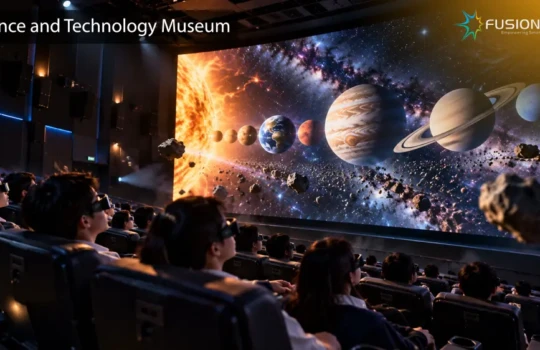
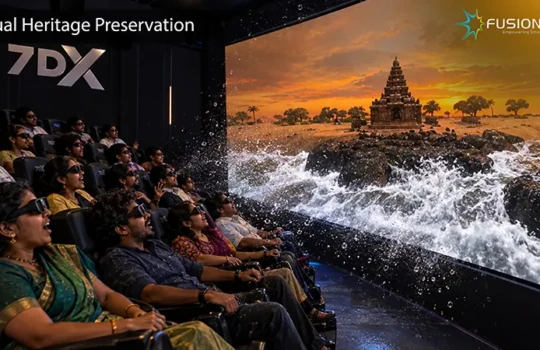
The combination of immersive theatres with multi-sensory simulation shows provides museums with an effective modern exhibit solution. Governments can create cinematic storytelling environments which enable visitors to experience historical events through large-format projections and spatial audio and motion seating and environmental effects. The educational material transforms into emotionally powerful stories through these experiences. For example, visitors may experience the journey of explorers, witness ancient battles, or travel through the formation of geological landscapes. The use of immersive storytelling techniques creates experiences which people remember for their entire lives.
Digital experience centers function as tools for both tourism development and economic development. Museums that use immersive technologies become major attractions for tourists. Tourists from different parts of the world prefer to visit destinations which provide them with distinctive interactive cultural experiences. Digital museum investments from governments can enhance cultural tourism while boosting visitor numbers and creating economic advantages for nearby hotels and restaurants and local businesses.
Digital experience centres improve visitor engagement while they provide support for research activities and educational programs. The museum partners with universities and historians and scientists and cultural experts to create collaborative research projects. Public exhibitions now include academic research through digital platforms which provide seamless integration. Interactive displays show complete research results in easy-to-understand formats which allow general audiences to access basic information and academic researchers and students to study advanced content. The combination of educational programs with research activities establishes museums as centers of knowledge.
The strategic process is needed by governments which want to transform their museums into modern facilities. The first step is to evaluate existing museum infrastructure and identify opportunities for digital integration. The solution requires museum operators to enhance their exhibition areas with advanced projection systems and interactive displays and immersive sound systems and virtual reality and augmented reality technologies. Governments need to allocate financial resources for the development of digital content which includes historical research and storytelling design and 3D modeling and animation and multimedia creation.
Digital museum projects succeed through their collaboration with technology companies and creative studios and cultural institutions. Developers need to master storytelling and visual design and software development and hardware integration to create immersive experiences. Digital museum installations achieve technical excellence and narrative authenticity through government partnerships with specialized immersive technology providers.
Another key factor is the ability to sustain operations through extended periods and maintenance requirements. Digital installations need three essential components which include software updates and hardware servicing and content refresh cycles. Digital systems at museums need government funding for their maintenance systems and training programs which should be developed to support museum staff operations. The organization can maintain its digital experience centers for multiple years by investing in dependable infrastructure combined with technical support services.
Modern digital museums need public engagement to achieve their operational goals. Through workshops and digital storytelling programs and student competitions and collaborative cultural initiatives governments should promote community participation. Museums transform into active cultural platforms through public involvement in their content creation and storytelling.
Data analytics can improve museum management systems and enhance visitor experience at museums. Digital systems monitor how visitors move through exhibits to determine which displays attract the most attention and assess visitor engagement. Governments can use this data to create better exhibition designs that control visitor movement while developing fresh experiences based on what audiences prefer. This data-driven approach enables museums to develop new exhibition concepts which directly address visitor needs.
As technology progresses, museum experiences will become more advanced and their displays will connect with each other. The combination of artificial intelligence and holographic displays and digital replicas of heritage sites and complete interactive mixed-reality systems will transform the methods used to present cultural narratives. The governments that develop digital experience centers at present will establish the foundations for future museums which will transform educational and entertaining and cultural preservation experiences.
Digital experience centers modernize museums through their technology but they actually create new ways for people to experience their cultural heritage and historical knowledge. Interactive learning through digital technology and immersive storytelling enables governments to create museum environments which help people learn while exploring the diverse cultural heritage of humanity. The contemporary museum functions as a time machine which enables visitors to explore past and present and future through its interactive exhibits.