Business today is competitive, and customers don’t just choose based on products or services, anymore. Instead they want something more… like a memorable experience that builds a feeling with the brand, it has to educate them about the solution, and it should give them real confidence before they even commit. Because customer expectations keep moving, the way businesses talk to their audiences has changed too. Interactive experience centers have become one of the strongest tools for engagement, learning, and business growth, at least in practice.
An interactive experience center is way more than a sleek modern showroom, it kind of feels like a living space. It’s a carefully crafted environment, where storytelling, technology, imagination, and innovation all blend, and you get this genuine sense of connection. Depending on what the goal actually is, to highlight a company’s past, to show off advanced technologies, to teach visitors about complicated processes, or to strengthen ties with stakeholders, the interactive experience center offers an immersive stage. And it’s the kind that tends to linger in people’s minds, like after a good conversation, not just a quick look around.
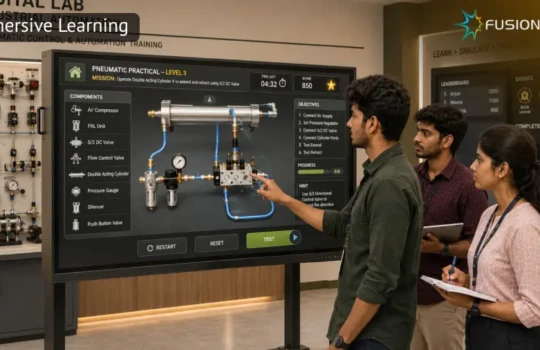
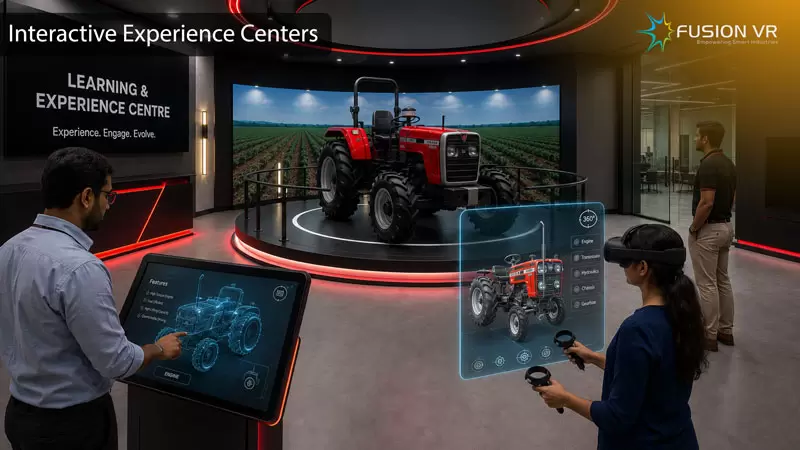
Unlike the usual exhibition halls or static displays, interactive experience centers kind of push you in a different direction. People are not just standing there as passive observers, they become active participants. They get to dig into digital content, tap around with touch enabled installations, and also try virtual reality scenarios that feel surprisingly real. Then there are augmented reality demonstrations, where you can look at layers of information right in front of you. Some places even let visitors manipulate 3D models, or they can see the products or services through immersive storytelling, like its personal. All of that hands on engagement tends to boost information retention a lot, and it also helps create stronger emotional links with the brand.
The success of an interactive experience center really starts with getting clear on why it exists, like what it actually aims to do. Each organization has its own goals, be it drawing in potential customers training employees, educating partners, showing off new innovation, or boosting brand awareness. Building a good experience center means you have to line up every technological piece with those same strategic goals. And instead of tacking on technology just because it looks impressive, each interactive part should actually help the visitor move through the journey, while also strengthening the organizations message.
The visitor journey plays a central role in the design process. Each interaction should feel natural, intuitive, and purposeful… you know, like it just makes sense. From the time visitors walk into the experience center, they should be steered through a well set narrative, slowly, and almost politely, that introduces the company’s vision, the products, the achievements and what’s next in future innovations. This storytelling method turns complex information into experiences that are more engaging to grasp and remember, instead of feeling heavy or distant.
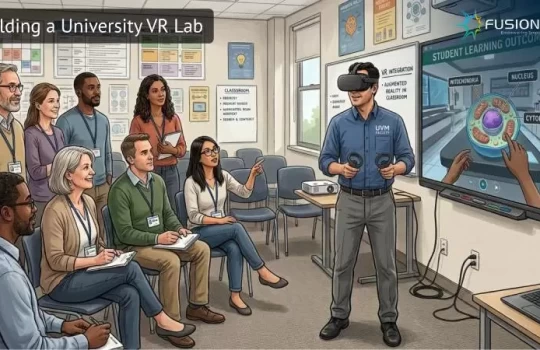
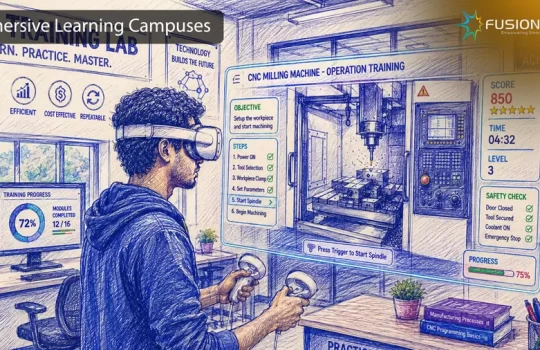
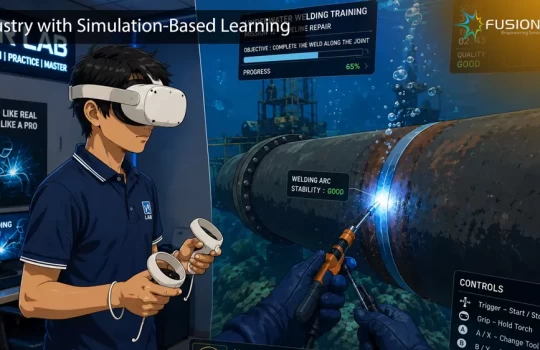
Immersive technologies have become kind of essential parts of modern experience centers, more or less. Virtual Reality lets visitors step into places that they would not be able to reach otherwise. Manufacturers can show factory operations, without actually going inside production facilities. Infrastructure companies might preview future developments before anything is built, so decisions feel clearer. Healthcare organizations can walk people through medical procedures using immersive simulation scenarios. Educational institutions can take learners right into historical moments or scientific surroundings, helping them understand more deeply through first-hand virtual encounters.
Augmented Reality takes things a step further, it enhances engagement by mixing digital information with what’s actually around you. Visitors can aim a tablet or their mobile device toward products, and then hidden details show up. You might see animations, exploded views, or even the technical specifications. It also makes complicated ideas feel simpler, kind of like giving people a shortcut. Rather than reading long descriptions, visitors absorb knowledge through visual demonstrations that are not just interesting but also easier to remember.
Interactive touch displays keep showing up a lot in experience center design. They let visitors poke around, more or less at their own rhythm , see content , switch between product comparisons, skim through company milestones, look at project portfolios, or jump into multimedia presentations. Since people are the ones driving the information flow, they tend to linger longer on what truly pulls them in, those topics that feel most relevant. So overall, satisfaction goes up, and the learning outcomes get better too.
Artificial Intelligence is also kind of becoming an essential part of interactive experiences, like it helps things feel more alive. AI-powered assistants can respond to visitor questions, suggest customized content, and basically guide people through exhibits, while also offering multilingual support. With personalization in the mix every single visit feels different—so different customer groups end up getting the most relevant details for their interests and business needs. It’s a simple touch but somehow makes the whole experience feel much more tailored.
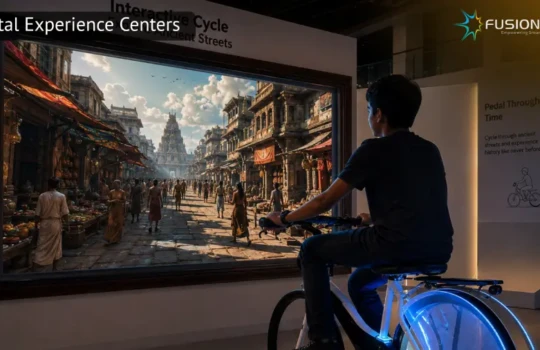
Projection mapping with immersive visual environments really does set the tone for dramatic storytelling, and it grabs attention almost right away, like instantly. When you use large scale digital projections, those plain old walls turn into moving storytelling surfaces where you can show manufacturing processes, talk about engineering advances, lay out historical timelines, point toward scientific discoveries, or sketch future visions. And when you pair it with synchronized lighting plus audio systems, along with animation, the whole setup makes these kind of strong, almost emotional moments that people remember for a long time after they leave the experience center.
Motion simulation technologies add a different kind of layer of engagement, especially where transportation, engineering, aerospace, tourism, defense, or entertainment are involved. When motion platforms get synced up with immersive visuals, visitors can kind of experience a product or an environment in ways that are not possible with conventional presentations. In practice, these setups create real excitement, and they also help in explaining the technical capabilities, more clearly than you might expect.
Businesses across different industries have been finding out the actual, measurable advantages of putting money into interactive experience centers. Some manufacturing companies use them to make complicated industrial processes feel simpler for clients, which is kind of a big deal. Technology firms show off brand new ideas with hands on interaction instead of just talking about it. Healthcare organizations educate patients via interactive visualizations that are easier to grasp, and they tend to stick. Educational institutions also lean into this, inspiring learning through immersive digital content that feels more engaging than usual. Government agencies communicate development initiatives in a clearer manner when they use interactive displays and not only brochures. Museums, on the other hand preserve cultural heritage while still bringing history closer to younger generations through interactive storytelling, and it works surprisingly well for attention spans.
One of the most significant advantages of experience centers is that they can shorten the sales cycle. In the past, traditional presentations usually lean on brochures, slides, or verbal explanations, and those sometimes just do not really land the value clearly. With interactive demonstrations, potential customers can actually see the product and solutions first-hand, which cuts down on uncertainty and builds a stronger sense of confidence. When visitors leave, they often understand the benefits more deeply, so decisions tend to happen quicker. In turn, that helps conversion rates improve, rather reliably.
Experience centers help cement brand identity in a more almost personal way, because they build those emotional bonds that stick. People also tend to remember what they did, not just what they watched in a slide, or a formal presentation. When visitors actively join in with finding information, roaming around products, or going through interactive challenges, the feelings they get start to attach to the brand itself. Those vivid moments make it more likely they’ll come back again, share it kindly with others, and keep a longer customer loyalty cycle.
Employee engagement is yet another big business advantage, and honestly it tends to show up in surprising ways. Interactive experience centers offer useful environments for onboarding, technical training, leadership development, and internal corporate communication. Rather than those standard classroom style sessions employees can join immersive learning experiences that boost understanding and make knowledge stick better. So companies typically end up with better prepared teams, while cutting down on training time and raising overall productivity too.
In today’s experience centers, data analytics is getting more and more valuable, like honestly it’s not optional anymore. Every time people interact digitally, they leave behind useful signals about visitor conduct, for instance what exhibits get attention, and the typical time people stay engaged, the content that’s checked again and again, how they move through the space, and which zones seem to cause confusion or trouble. With real world behavioral evidence, organizations can tune and refine the whole visitor journey, instead of leaning on guesses. On top of that, the same findings guide marketing and sales teams so they can map what customers like in a more precise way.
Accessibility should stay a top priority throughout the design journey. The interactive experience spaces have to make room for folks of different ages, varied physical abilities, distinct languages, and even people with different technical backgrounds, or none at all. Things like multilingual interfaces audio narration, captioning, adjustable display heights, easy to grasp navigation, and more inclusive interaction techniques help ensure that each visitor can fully take part. When an experience center is built with access in mind, it shows an organization’s dedication to serving diverse audiences, and it also boosts overall engagement.
Scalability is just as important here. Technology evolves so fast, and so that flexibility becomes kind of non-negotiable for long-term success. Using modular exhibit designs, along with cloud based content management systems, and software-driven installations, it’s possible for organizations to update their content regularly without swapping out entire systems every time. That adaptability lets businesses roll in new products, milestones, campaigns, or even fresh technologies while still keeping the visitor experience new, and relevant in a sort of ongoing way.
Content quality, in the end, basically decides how well any interactive experience works. Even if you throw in the most advanced tech, that won’t really fix weak storytelling, or weird information architecture. Good visuals, plus narratives that actually pull you in, engaging motion graphics, realistic simulations, and professionally made user interfaces all work together so the visitor gets one consistent experience that informs, amuses, and motivates them at the same time. And yeah, every small part of the content should add to one unified brand tale-not sit there like some stand-alone technological thing, disconnected from everything else.
Sustainability is getting to be a rather important thought in the way experience center development is done. Things like energy-efficient displays, LED lighting, materials that can be recycled, digital documentation, and software-based content updates they all help cut down environmental impact while at the same time lowering the day-to-day operating expenses. In that sense, sustainable design shows corporate responsibility, and it matches the rising expectations from customers about environmental stewardship.
Working together between designers, engineers, software developers, content creators, architects, and the business stakeholders is really necessary across the whole development journey. When experience centers come out right, there is no single discipline that can carry everything, you need multidisciplinary skills to keep the more imaginative side in sync with what is realistically possible from a technical view, and also with the business targets. Ongoing testing, using representative users, also helps catch usability improvements early, before any launch happens so that the end result actually provides clear, measurable value, not just something that looks good.
As businesses keep embracing digital transformation, interactive experience centers are kind of turning into strategic assets, not just optional marketing investments, anymore. They help with customer engagement, product education, and even employee development, plus investor communication, public outreach, and innovation showcases all in one connected space. Basically, organizations that blend immersive technologies with purposeful, well told narratives tend to become industry leaders, because they can deliver really exceptional customer experiences.
The future of interactive experience hubs is gonna be pushed by new things in artificial intelligence , mixed reality, digital twins, spatial computing, gesture recognition, real-time personalization, and cloud-connected content ecosystems. All these upgrades will make visitor pathways far more adaptive, smarter, and personally tuned, so the whole experience responds in the moment to each person’s preferences and also the business goals.
Ultimately, designing an interactive experience center is not really just about dropping in the newest technology or putting together visually impressive displays. It’s more about shaping human moments that feel meaningful, that quietly communicate real value, build trust, spark curiosity, and deepen relationships. When each interactive element ties back to a clear business strategy and every visitor interaction adds up to a memorable journey, those experience centers can turn into real power plants for business growth. Organizations that put money into thoughtfully designed immersive environments usually get more than just increased engagement, they end up cultivating lasting brand experiences that guide decisions, strengthen loyalty, nudge innovation forward, and deliver a competitive edge in a world that keeps becoming more experience-driven.