Cultural tourism is really about finding out who a place is. People look for traditions, local history, art, buildings, and the tales that shaped the area. Visitors often go to old monuments, museums, heritage spots, temples, art galleries, and archaeology sites. They also join festivals and spend time in cultural centres. This helps them see how local people lived and what happened there. Lately, though, how travellers take in culture is shifting fast. New digital tools are giving destinations fresh ways to share heritage. They can make it easier to reach and more fun to explore, not just something to read about.
Digital experiences now play a big role in cultural tourism. They help visitors get closer to stories that can be hard to picture or understand at first. With tools like augmented reality and virtual reality, people can step into scenes instead of just reading about them. Projection mapping can add motion to buildings and spaces. Interactive screens give visitors control over what they see next. Immersive theatres and 3D visuals can make the setting feel more real. Digital twins can show places in a new way, even when travel is not possible. Touch controls make navigation feel simple. Spatial audio adds depth to what people hear. Interactive storytelling ties it all together and supports more active exploring.
For cultural tourism sites, this change is not only about bringing in new tech. The better chance is to use digital tools so visitors can grasp the history more easily. It should also help people remember what they see. At the same time, the stories and traditions must stay true to the place itself.
A big plus of digital experiences is that they can show the past in a clearer way. A lot of cultural sites rely on written notes, photos, objects, or still exhibits to explain why something matters. Those tools still help, but some visitors struggle to picture what a place looked like long ago. They may also find it hard to guess how people lived in a certain time. At times, it is also tough to see how a key moment actually played out.
Digital visualization can help with this problem. With 3D reconstructions, it is possible to build views of older places. These models can show monuments, streets, settlements, and objects. The builds use the information that exists from archaeology and history. People can walk through the digital scenes and look at them closely. In doing so, they may understand the setting of what they are viewing. This can make the heritage feel clearer and more grounded.
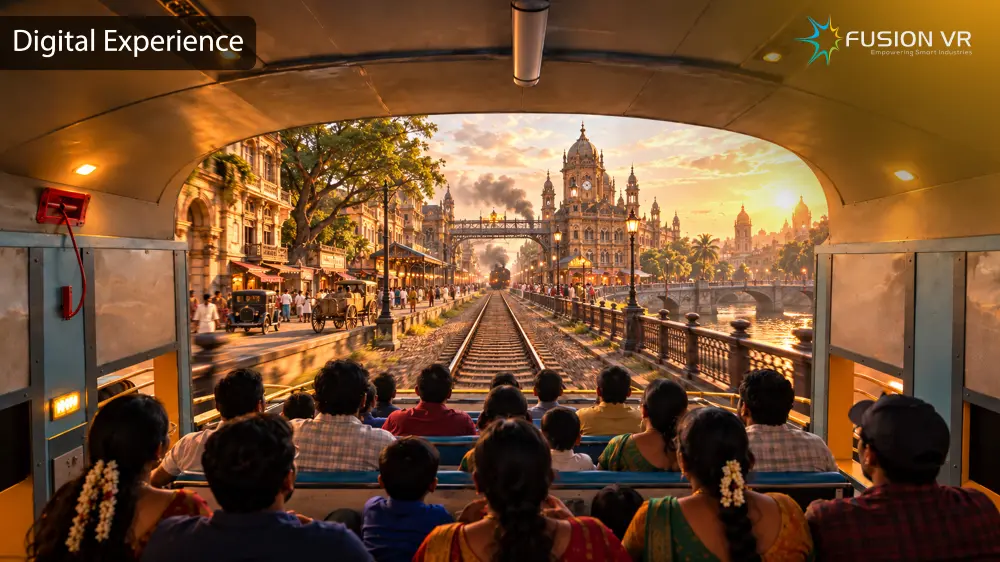
Virtual reality can push the idea further. It lets visitors step into places they cannot reach in real life. With this kind of setup, a rebuilt historical site can feel present. The same goes for a structure that is gone. It can also show a place that matters to a culture. Because of that, cultural travel spots can share their history in new ways. They do not have to rely only on what fits inside a real location.
Augmented reality can improve trips to heritage sites that already exist. With a phone or other AR setup, a visitor can view extra details on top of what they see. Old pictures may show up near a statue. Animated scenes can appear where parts of the past are described. Translations, maps, and short explanations can also be placed next to a monument or object. This approach does not keep the story apart from the real place. The extra digital material can feel like it is part of the walk itself.
This is especially helpful at archaeology digs and architecture sites. When visitors see broken remains or walls that are only partly standing, it can be hard to picture the original look. An AR view can show what the place might have looked like long ago. It also lets people learn without touching the heritage ruins or changing the structure in any way.
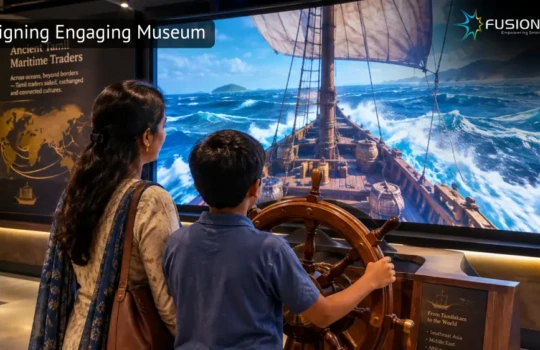
Digital tools can help museums feel more lively. In many museums, people walk from one room to the next. They then read the labels and look at the objects. With interactive tech, museums can add more ways to tell a story. The key pieces can stay on display.
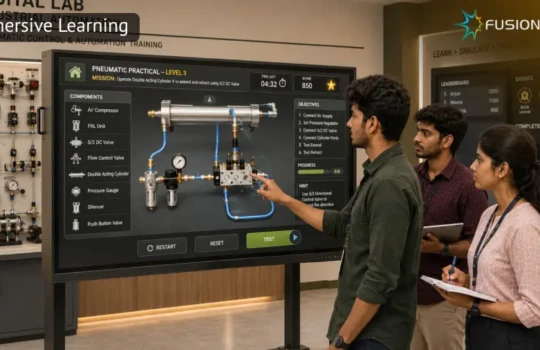
Interactive displays let people dig into timelines, maps, old documents, photos, videos, animations, and other related accounts. Big touch screens can show the content in a way that invites visitors to pick what they want to look at. In the end, it feels more hands-on than just watching from a distance.
Digital museums can also help groups handle a lot of information in a clearer way. Rather than showing everything at once, the online pages can give a short overview first. After that, people can click through and look into more details when it fits what they want to see.
A big plus is better storytelling. With cultural tourism, the point is stories. A site means more once you know who made it, why it was made, and what took place there. You can also see how it shaped the community around it. Digital tools help in more ways to share those accounts.
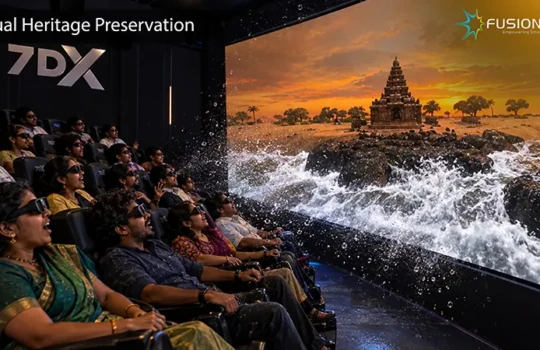
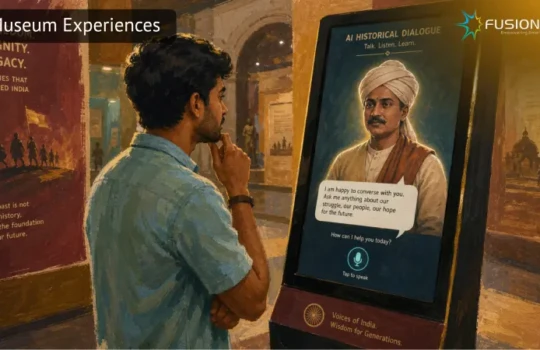
Projection mapping and immersive spaces can bring together light and sound. Animation and sound design can guide what people feel as they watch. With interactive media, visitors can also take part, not just look. Spatial audio adds depth so the sound seems to come from all around. In these setups, a person can walk through several parts of a historical tale. They may talk with characters or handle objects shown in the space. They might also see the same event in different ways, based on where they stand or what they do.
Telling stories in this way can help kids feel a link to their own culture. Many children and teens already use digital tools all the time for school, games, and chatting. If a cultural activity is built well, it can match the click and choice style they know, without losing the correct history or the learning goals.
Accessibility is a big part of digital tourism. Not everyone can travel in the same way. Some people use wheelchairs or walkers and may find certain places hard to reach. Others are not locals and may struggle with language or local transport. Older travelers can also feel worn out faster. Students may have limited time and money. And some visitors simply cannot handle long trips.
Online experiences can offer different ways to look at heritage. People can view digital copies of historic sites and join virtual trips without traveling. When someone visits a place in person, digital tools can also help. They can show content in more than one language. They can add audio help, captions, and simple visual notes. They can also offer other ways to interact.
Making things easy to read is a big deal in travel across borders. When an attraction draws people from different countries, every sign and every printed item may need a translation. That work can take time and effort. Using digital displays can help with this. Visitors can switch languages on screens. It does not add much extra space to the exhibit.
Digital tools can carry cultural tourism past the on site stop. A person does not always start the story at the gate, and they do not have to end it after they walk out. A quick online look can help first. Virtual tours can show rooms before anyone arrives. Websites that let people tap, click, and explore keep attention. Digital collections can be revisited later. Mobile guides can guide in the moment. After the trip, extra posts and saved materials can keep the place close.
Before any trip, people can check digital sites to learn what a place offers. They can then choose which cultural spots they want to see. Once they arrive, new interactive tools can show helpful context as they move around. The tools can also adjust what they show based on what the visitor seems to like. After the trip ends, digital materials let people go back over what they saw. They may also read more, view extra items, or post what they felt and learned to friends and others.
A longer trip can help people notice where they are going. It can also make them take part in local history and traditions more closely.
Digital tools can also let cultural tourism places connect with people who would not be able to travel there in person. A museum or heritage center can share digital activities on its own site. It can also use partner platforms to host those materials. In the end, more visitors can find it, even if they live far away.
When a group holds items of cultural value, digitizing them helps keep them safe and well documented. Clear photo capture, 3D scanning, and stored digital files can make close records of objects and rooms. Virtual models can also be made. With these materials, teams can aid research and teaching. They can also plan repairs and help the public understand what they are looking at.
Digital preservation does not take the place of caring for physical heritage. It can add another form of proof and make materials easier to reach. When an artefact or a building wears down with time, earlier digital copies can let researchers see what it likely looked like before.
One more benefit is that you can build simulations for places that you cannot recreate in real life. Some of these sites are too risky to copy. Others are just too hard to rebuild on purpose. You can also model older events, long used methods, and spaces that are not open to the public. Even tight or hard to reach buildings can be shown in digital form. That way, visitors do not face danger, and heritage materials are not put at risk.
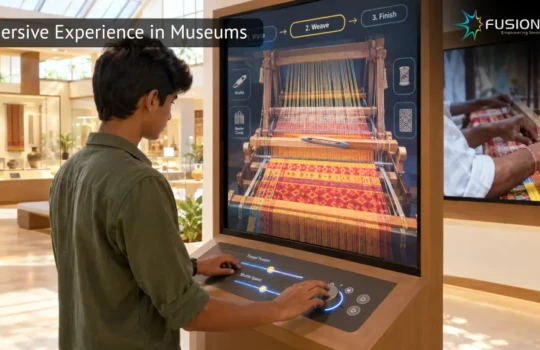
If you wanted to make it feel real, you could show an old craft step by step with simple visuals and stories people can choose. Then guests would get the order of actions, even if you do not build the whole thing on site. You could also rebuild a lost place on a screen. Or recreate an old town area so people can see how the region changed over time.
Smaller towns and regions can use digital tools for cultural tourism too. Many heritage sites do not have the staff, budgets, or systems that big attractions have. With digital storytelling, these places can share what matters to them. They can run virtual exhibits. They can offer interactive maps. They can create digital trails. They can also use immersive media to draw people in.
This can help tourism grow in a wider way. It may push people to go past the main, crowded sights. If it is handled with care, digital interpretation can also show visitors many local things. They might learn about regional traditions and small local histories. They can see crafts and local building styles. They may even hear community stories from residents.
Technology should not take over and push culture aside. The best digital cultural experiences help the story move forward. They should not drown it out with flashy features. A high end screen or app means little when the facts are wrong. It also fails when people cannot figure out how to use it. It falls flat if the cultural background is left out.
Authenticity still matters. Digital reconstructions should make a clear line between facts we can back and parts that are imagined. It helps when cultural groups and people who know the topic check the work. They can review the story, the wording, the labels, and what is shown in the visuals.
A good digital design starts with the story a culture already tells. After that, you pick the tech that fits how that story should be felt and understood. Some messages work better with a small interactive screen. Other messages need a deeper, hands on space that people step into. It depends on the story you are trying to share.
Visitor data can show cultural sites how people actually use their digital tools. If users stay anonymous, the patterns still reveal which displays get noticed. They also show how long people linger on each part. The same records can point to spots where visitors seem to get stuck. With that, teams can adjust later exhibits to work better.
Digital tools can also open doors for education tourism. Schools and colleges may use them to teach. Researchers and cultural groups can try these hands on spaces too. In class, learners can scroll through history in a timeline view. They can look closely at digital copies of artifacts. They can also walk through virtual reconstructions of old sites. These activities help people follow cultural change. The learning comes through pictures and clear story lines.
It does more than turn culture into something you go see. For people, it works like a place to learn as they go.
Cultural tourism is changing. More places may link real sites with digital tools. On a visit, people could use phone guides or wear tech that adds extra views on top of what they see. Some museums may turn halls into immersive spaces, and stories may react to the visitor. Others might show scenes that are rebuilt on a screen to help explain what is no longer there. Content may also shift based on a person’s interests. All of this could show up in one trip.
You should not aim to swap real cultural moments for tech. Digital experiences can still help. They can give context, make things easier to reach, add more detail, and pull people in more when they go to places to learn and see.
Museums and heritage groups can take a new look at how they tell stories. A single old item may fit into an activity based tale. An old landmark can lead to a digital rebuild that visitors can explore. Even a classic art style can be shown with new kinds of screens and sound. And when something from the past happened, people can feel it through clear visuals and space, planned on purpose.
If we build technology alongside how people interpret culture, digital tools can make heritage easier to grasp. At the same time, they can help visitors feel more attached to a place.
Cultural tourism is, in the end, about people meeting places and hearing their stories. New digital tools now change how those links can form. You can see it in online museum spaces that feel close to the real thing. You can also explore virtual heritage sites from your own home. Some cities offer map guides with added phone views, like augmented reality walking paths. Other venues use hands on screens in exhibitions so visitors can try, click, and look closer.
More places are putting money into how visitors experience them. The best online plans will keep local culture true. They should also use tools in a careful way. This is not about turning history into something flashy. It is about helping people feel that history matters.
When people plan cultural tourism well, the trip can stick with you after you get home. It helps when the cultural details are correct and the story is easy to follow. Good layout and design also matter. Modern digital tools can support the visit too, as long as they fit the place. This kind of tourism benefits more than the traveler. Museums and heritage groups can reach more people. Local communities may gain new opportunities. Teachers and schools can use the material in class. Places that host visitors also can share their culture in a way that lasts.