Museums are transforming their function from silent exhibition areas into dynamic cultural spaces which aim to attract and educate and motivate all visitors. Traditional museum formats still create major accessibility challenges for most visitors who have special needs. People who experience physical disabilities or sensory processing issues or cognitive impairments or communication challenges cannot participate fully in exhibitions which depend on written text and visual content and extended walking paths and busy exhibition spaces. The growing use of immersive digital technologies by museums creates an important chance to build cultural spaces which people of all backgrounds can access and feel included and comfortable.
Museums have historically concentrated their accessibility efforts on developing physical infrastructure which includes ramps and lifts and accessible restrooms. Physical access to facilities represents a fundamental requirement for actual inclusion which extends beyond these basic requirements. Multiple visitors experience hidden disabilities which include their inability to process written material and their anxiety when entering new places and their limited energy for exploring extensive display areas and their sensory overload experiences. The use of immersive experiences enables museums to move away from their standard operating model which delivers identical experiences to all visitors because they can now create personalized content that matches each visitor’s unique requirements.
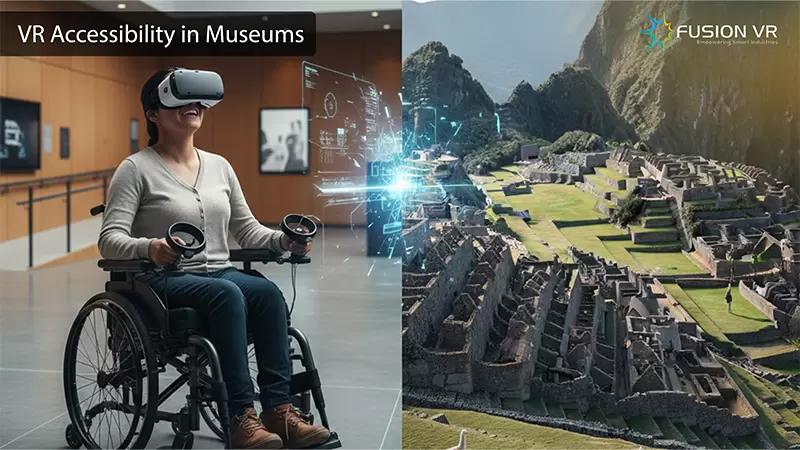
Museums use virtual environments and interactive simulations to create flexible and customizable displays of their stories and objects and heritage sites. Visitors have the ability to control their exploration of content and select their preferred methods of information presentation and experience the exhibit without any physical difficulties. For individuals who have mobility disabilities the system allows them to experience complete galleries and heritage sites from a seated position without needing to walk through staircases or extended hallways. The immersive installations at museums provide visitors with chronic pain or fatigue-related conditions a way to experience their exhibits without experiencing high physical demands while maintaining full exhibit engagement.
The immersive museum technology enables visitors with visual impairments to discover new methods of understanding and developing emotional connections to exhibits. The combination of rich audio narration and 3D audio design together with Touch-based feedback creates immersive experiences that static displays cannot achieve. The exhibition space provides visitors with audio tours that show them different environments and objects and tell them detailed stories about the exhibition space. The haptic feedback system lets users experience movement and 3D transitions through the touch sensations they receive from controllers and physical interfaces. The system provides both visually impaired users and senior citizens, and children and auditory learners with tools that improve their learning experience.
Hearing-impaired visitors experience major benefits from digital immersive experiences when designers create accessible pathways to their products. The complete storytelling experience maintains accessibility through subtitles, animated text overlays and visual cues and sign-language avatars, which enable users to access the story without sound. The exhibition allows visitors to experience storytelling through visual sequences, symbolic animation and interactive timelines. Shared immersive theatres and group experiences provide synchronised captions and personal display options which enable all users to participate in the shared experience.
Visitors with different sensory or learning needs, including individuals with autism or sensory processing differences, often find conventional museum environments overwhelming. The presence of bright lighting and unpredictable sounds together with crowded spaces and complex layout designs creates situations which lead to discomfort and anxiety. Immersive environments provide a controlled alternative which lets users change sensory input until they achieve their desired comfort level. The combination of calm color palettes and simplified interfaces together with reduced motion and adjustable audio levels creates safe and predictable experiences. The ability to pause, exit, or restart an experience gives visitors a sense of control which is crucial for reducing stress and encouraging exploration.
Cognitive and learning accessibility is another area where immersive museum experiences make a meaningful impact. Visitors who have intellectual disabilities or learning difficulties face challenges when they try to understand abstract concepts and read complex written materials. Interactive storytelling presents difficult concepts through visual elements that users can easily comprehend and connect with. Historical events can be experienced through guided journeys while scientific principles are shown through simulations and cultural stories are presented through character-based environments. Museums use visual elements and narration together with interactive features to create multiple ways of learning that help different types of learners and enhance their ability to remember information.
Accessible design needs to consider both physical comfort solutions and user-friendly features. The design of many museums demands that visitors spend extended periods on their feet while they need to walk through the entire space, which creates difficulties for elderly guests and people who have mobility restrictions. Visitors to immersive installations can experience complete narratives through large-scale displays while seated, which enables them to minimise physical effort while staying fully engaged. The system allows users to interact through gesture-based controls and simplified controllers and gaze-based navigation without needing precise hand movements. The system provides users with two comfort features through its motion intensity adjustment system and its ability to choose between different participation options.
The most successful accessible museum experiences are those designed with inclusivity in mind from the very beginning. The practice of adding accessibility features after installation results in incomplete solutions. The process of inclusive design access becomes automatic when designers build their projects according to accessibility standards from the start. The team works together with accessibility specialists and teachers and therapists and individuals who have experienced actual barriers to discover possible obstacles at the initial project stage. Testing experiences with diverse user groups ensures that sensory triggers and navigation challenges and communication gaps receive solutions before the public use of the system.
Another powerful advantage of immersive museum technology is its ability to extend access beyond physical locations. Remote and digital experiences allow individuals who cannot travel due to disability, health conditions, or geographic constraints to engage with museum content from homes, schools, hospitals, or care facilities. The museum now serves as a broader educational resource which enables people of all backgrounds to access its programs for educational purposes and community outreach and lifelong learning activities.
The immersive storytelling method has become standard practice among museums which now use accessibility as their main measure of museum quality and actual value. The public now expects cultural organizations to show understanding of others while they fulfill their ethical duties and treat everyone equally. Museums will use adaptive design which creates tailored experiences through adjustable sensory features and customized storytelling and assistive technology to build their future spaces. Museums that use inclusive immersive experiences create better access for everyone while they establish new standards for cultural participation.
Building accessible museum experiences with immersive technology goes beyond basic compliance requirements and visitor accommodation needs. The design process requires developers to create spaces which make every visitor feel valued while they explore historical objects and artworks and educational resources. The core innovation of museums requires accessibility to become their main focus which enables them to achieve their mission of sharing heritage and stories with all people without creating any barriers.